
The most read Vietnamese newspaper
Edition: International | Vietnamese
© Copyright 1997 VnExpress.net. All rights reserved.
 Get VnExpress first in Google Search
 See more of the news you trust. Make VnExpress a preferred source to prioritise our updates in your Google search results
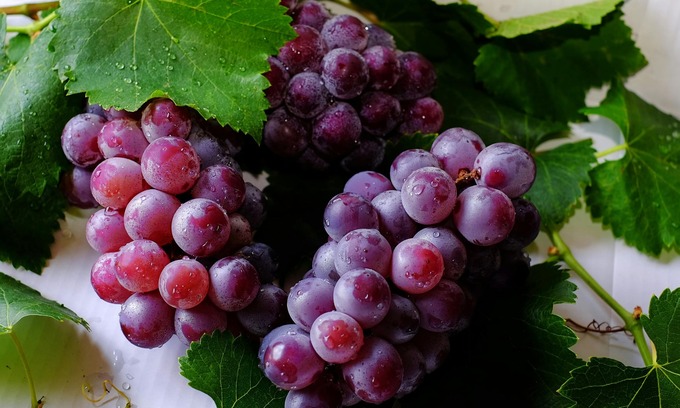
The coating, known as bloom, is a natural wax secreted by grapes. "It helps to shed water to some extent, and it’s a bit of a barrier for pathogens. There is some water evaporation from the grape berry as it matures, so bloom helps the grape from drying out too fast," viticulture extension specialist Hans Walter-Peterson told Bon Appetit magazine.
Eventually, the coating breaks down. "The grapes will naturally dehydrate and shrivel as they age," Walter-Peterson added.
Bloom also appears on fruits such as plums and apples. It primarily contains oleanolic acid, a triterpenoid compound with antibacterial, anti-inflammatory, and antioxidant properties. This protective layer also forms a physical barrier that limits microbial invasion and natural oxidation.
A study published in ScienceDirect found that oleanolic acid supports cell protection, cardiovascular health, and resistance to certain pathogens, making the bloom both safe and beneficial.
Consumers often confuse bloom with mold. Bloom covers grapes evenly with a white or slightly green powdery or waxy appearance. Mold, by contrast, is patchy, brown or fuzzy, and usually appears on grapes that are shriveled or wrinkled.
Research from the University of Michigan in the U.S. suggests storing grapes in refrigerators at 0–4°C, inside ventilated plastic bags or containers to maintain humidity and limit bacterial growth.
Experts recommend avoiding washing grapes immediately after purchase or before storage, since excess moisture can damage the bloom, promote mold, and shorten shelf life. Instead, grapes should only be rinsed right before eating by soaking them lightly in cool water for about 30 seconds, then draining thoroughly.
"Keep grapes in the back of your crisper drawer in the refrigerator, where it’s nice and cold, in a ventilated bag," registered dietitian nutritionist Theresa Gentile told culinary site Simply Recipes.
Gentile also advised against storing grapes near apples, avocados, tomatoes, or other produce that release ethylene gas, which accelerates ripening.
"You also want to pick off any grapes that look like they are starting to decay, as they will infect others on the stem," she said. "Stored this way, they could last up to three weeks."




