



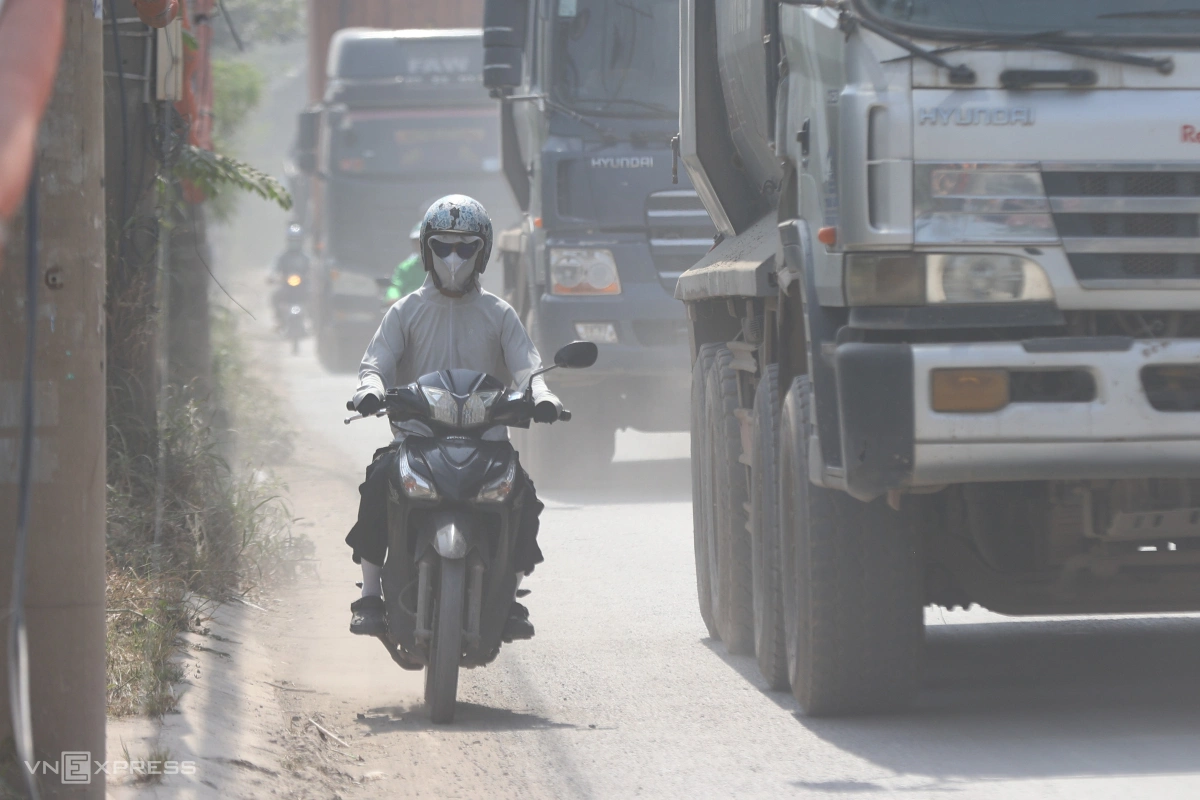
Nguyen Xien Street in HCMC's Long Binh Ward is engulfed in dust these days due to the construction of Ring Road No. 3.
Locals said the stretch of road, about seven kilometers long and located next to the construction site, is especially dusty during warm weather.
The worst section is where it intersects with the Hanoi Highway, and there dust hangs in the air like fog, reducing visibility so much that many vehicles have to turn on their lights even at noon.
This two-kilometer section is currently seeing construction of the elevated Ring Road No. 3 and Tan Van interchange.

People shroud their children and themselves in jackets and masks while passing through Nguyen Xien Street.
Ring Road 3, to run over 90 km and cost more than VND75.3 trillion (US$3.2 billion), will pass through Ho Chi Minh City, the former Binh Duong Province (which has merged with HCMC), Dong Nai Province, and the former Long An Province, now merged with Tay Ninh.
Its 15.3-kilometer section in Binh Duong has been completed.
The remaining 76 kilometers are under construction with a completion deadline of June next year.
It is expected to be a key development corridor for urban and industrial growth in the region.
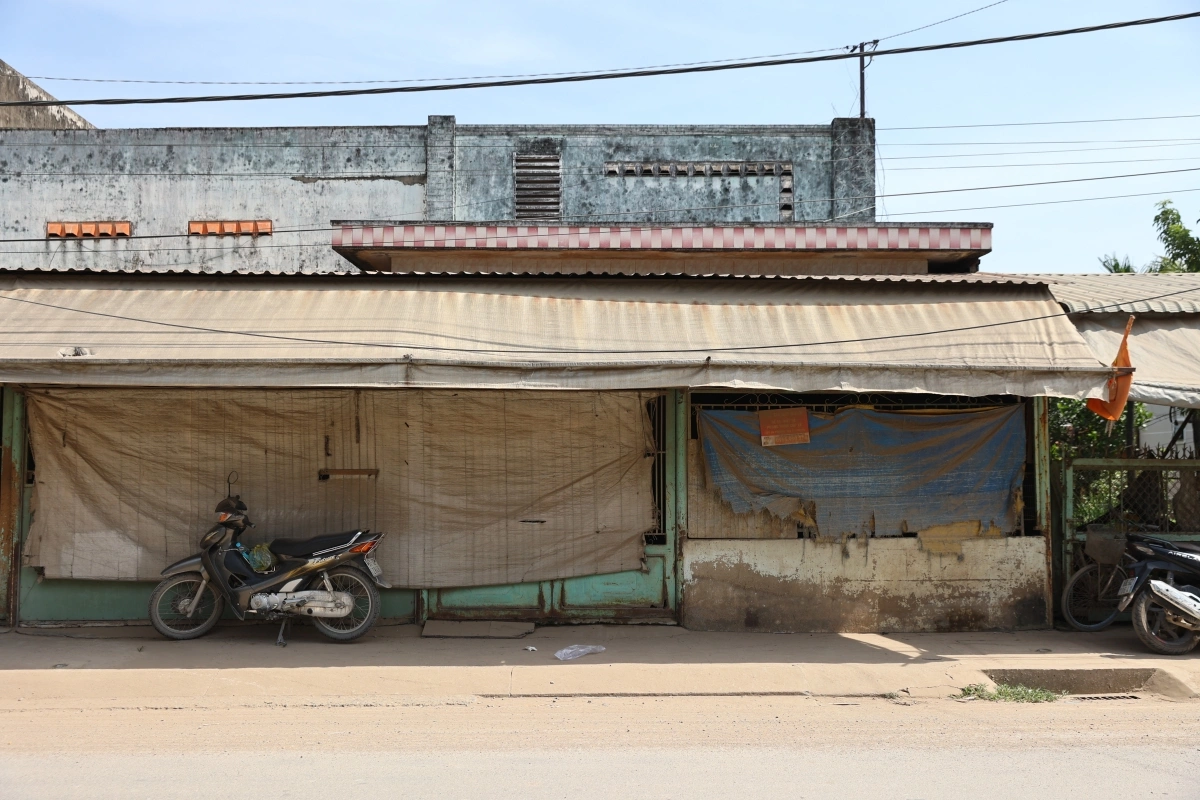

For nearly a year Nguyen Chi Hanh, 53, has covered his drink stall with tarp all day.
He lamented: “Customers think the store is closed and so business has been terrible. Only a few construction workers nearby stop by to buy drinks during lunch.”

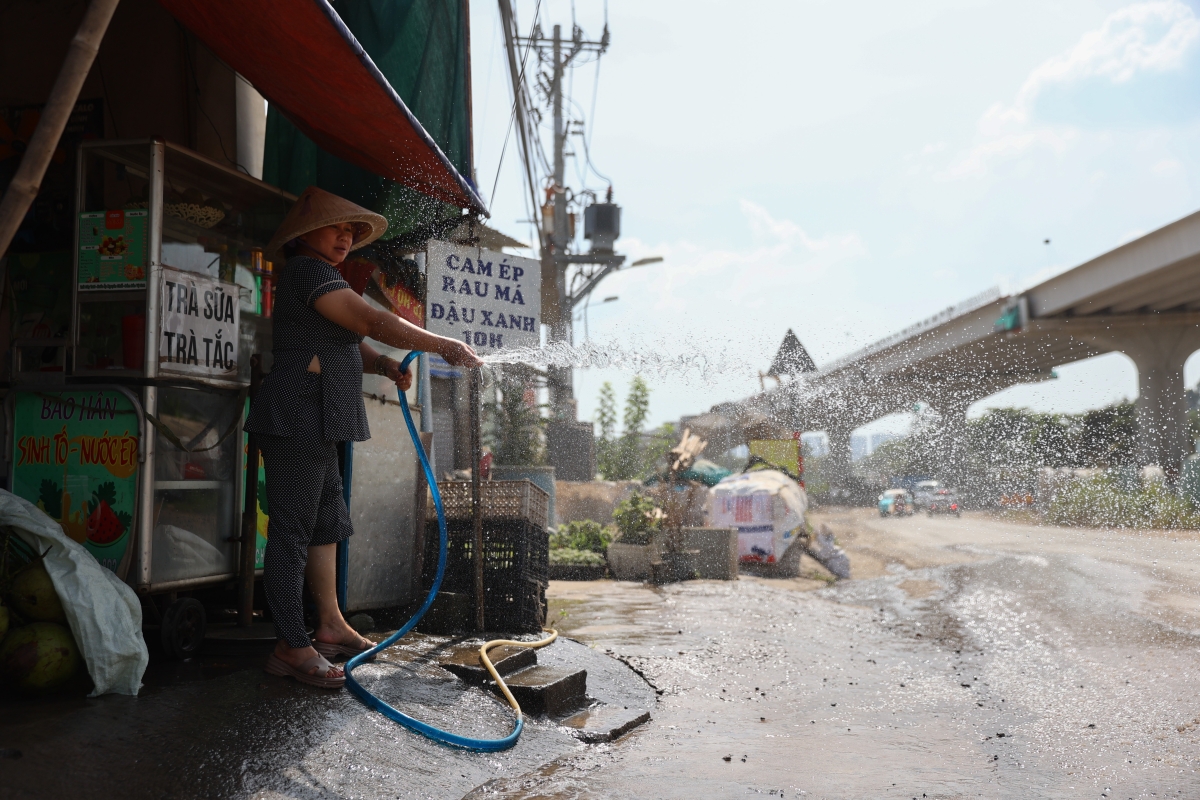
At her grocery shop nearby Tran Thi Dao has to keep all the goods covered and often shut during midday.
She said dust from the construction is unavoidable but hopes for better mitigation measures such as more frequent water spraying by trucks and keeping material transport vehicles covered better.

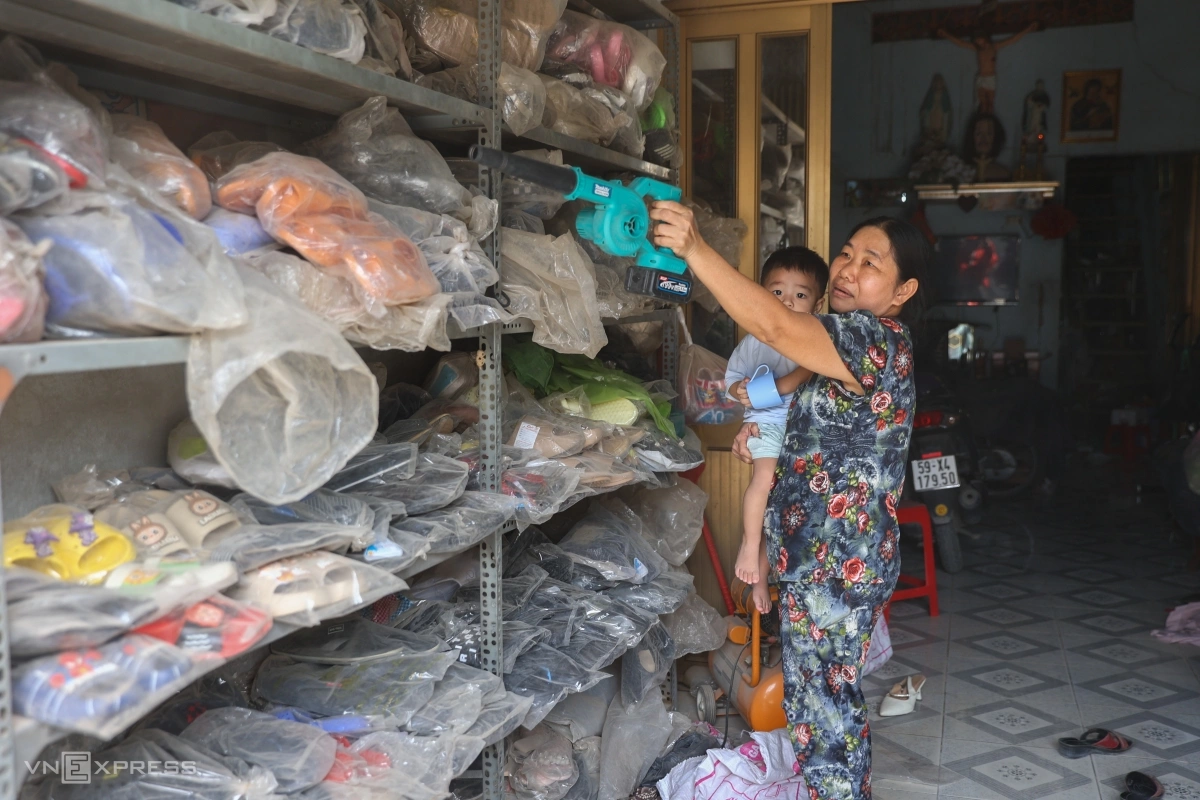
At the home of Anh Nguyen, where his family sells drinking waters, thick layers of dust cover furniture, goods, and appliances.
Despite constant cleaning, everything is coated again in the blink of an eye, driving customers away.

Potholes cover sections of Nguyen Xien Street, which as a result is "dusty when dry and muddy when wet," according to local people.

