


The international terminal T2 is currently test-running its expanded section, including the check-in area and automated baggage handling system, ahead of official operations starting on Dec. 19, after more than 18 months of construction.
After the upgrade, the terminal’s floor area has increased from 139,000 square meters to over 200,000 sq.m, while the number of check-in counters has risen from 96 to 144. For the first time, T2 has installed 24 self bag drop counters and added 24 check-in kiosks, allowing passengers to complete procedures themselves and reducing wait times at traditional counters. The project, with a total investment of nearly VND5 trillion ($190 million), raises the terminal’s capacity from 10 million to 15 million passengers per year.

The security screening area has been expanded from two zones to three, labeled A, B and C. The number of boarding gates has increased from 17 to 30, while inbound baggage carousels have risen from six to eight, helping shorten waiting times after arrival.
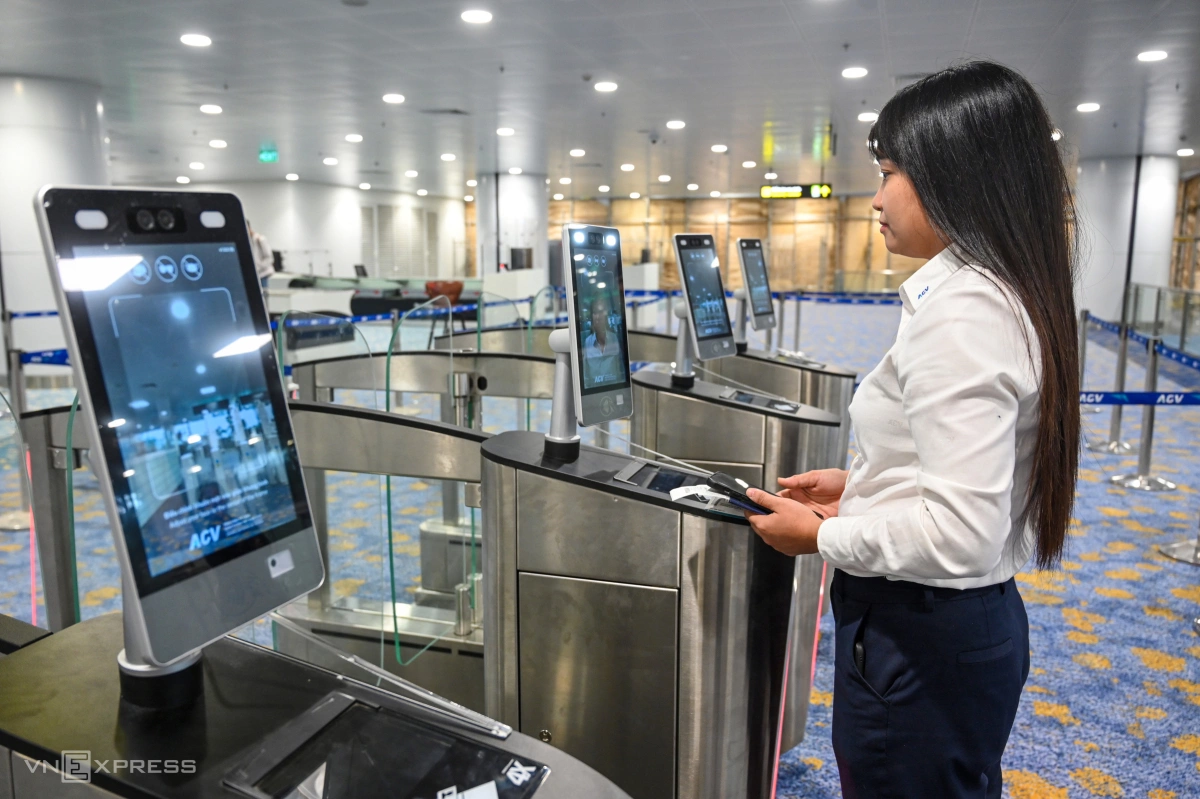
Automated immigration gates (Autogate) have been installed at immigration police areas and boarding pass checkpoints. Combined with biometric technology, the Autogate system helps speed up immigration and security screening, minimizing waiting times.
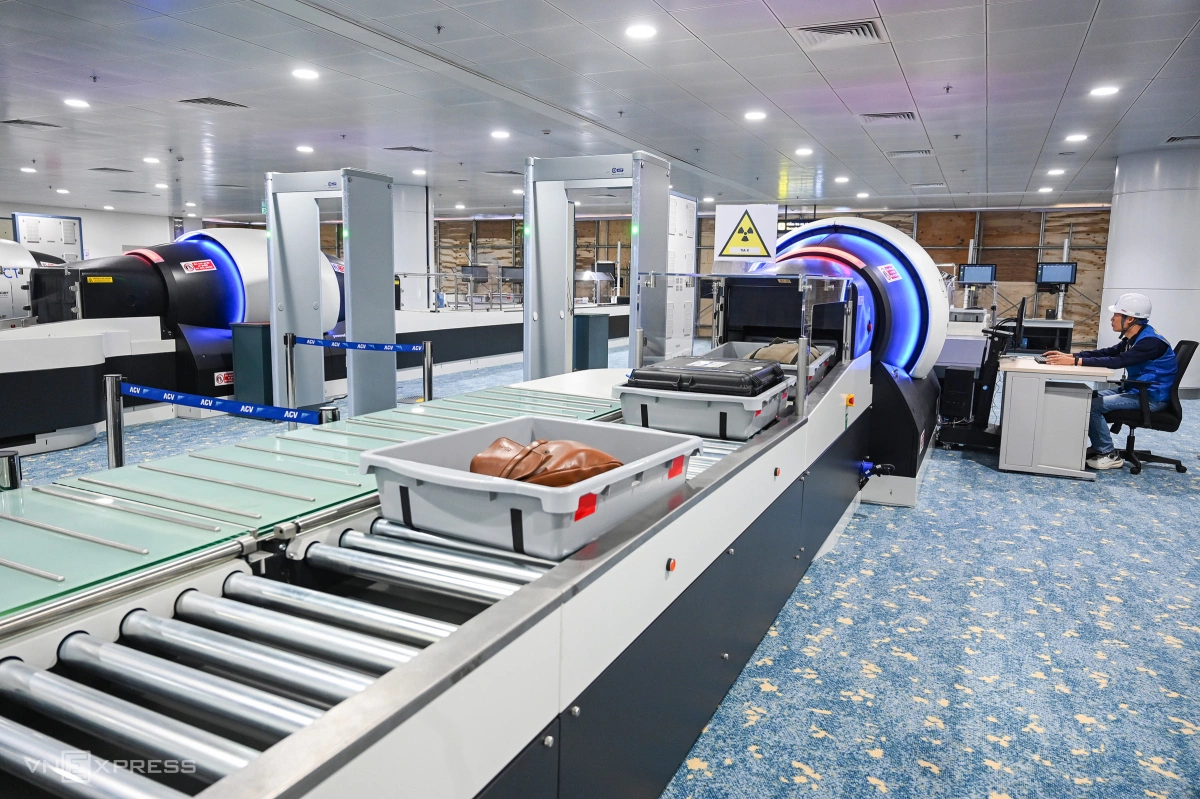

The terminal is equipped with six next-generation 3D baggage scanners and three body scanners that meet Transportation Security Administration (TSA) standards of the U.S. Transportation Security Administration.
The 3D baggage screening system integrates automatic tray return technology and multi-dimensional imaging, enabling faster and more accurate screening, increasing throughput, and shortening wait times.

The system is capable of detecting three-dimensional objects, enabling security staff to identify explosives, hazardous items and cleverly concealed objects inside luggage, thereby enhancing overall security.
According to aviation security staff, each passenger takes about 3–4 seconds to be processed through the system, and the 920CT machine can screen up to 360 pieces of baggage per hour.

Body scanners allow passengers to pass through screening without having to walk through metal detectors multiple times, requiring only a single scan.

The system generates anonymized body images to ensure privacy and can detect concealed objects hidden under clothing, displaying them on a screen for easy identification by security staff.

The baggage inspection area is equipped with scanners and touchscreens that allow operators to zoom in on objects requiring closer inspection.
The T2 international passenger terminal at Noi Bai International Airport has been in operation since 2015 and has four floors. By 2019, the terminal began to exceed capacity as passenger traffic reached 11.4 million, surpassing its original design capacity.
Once the T2 expansion project is fully operational, Noi Bai International Airport’s design capacity will rise to 30 million passengers, with the ability to serve up to about 40 million passengers per year.

At the check-in area, passengers can select seats, print boarding passes and check in baggage without using traditional counters, significantly reducing waiting times.

After completing check-in and printing and attaching baggage tags, passengers can check in their luggage themselves at the machines without approaching staffed counters.

Behind the check-in counters and the self bag drop area are two wide conveyor belts, allowing passengers to watch their luggage being transported inside.

