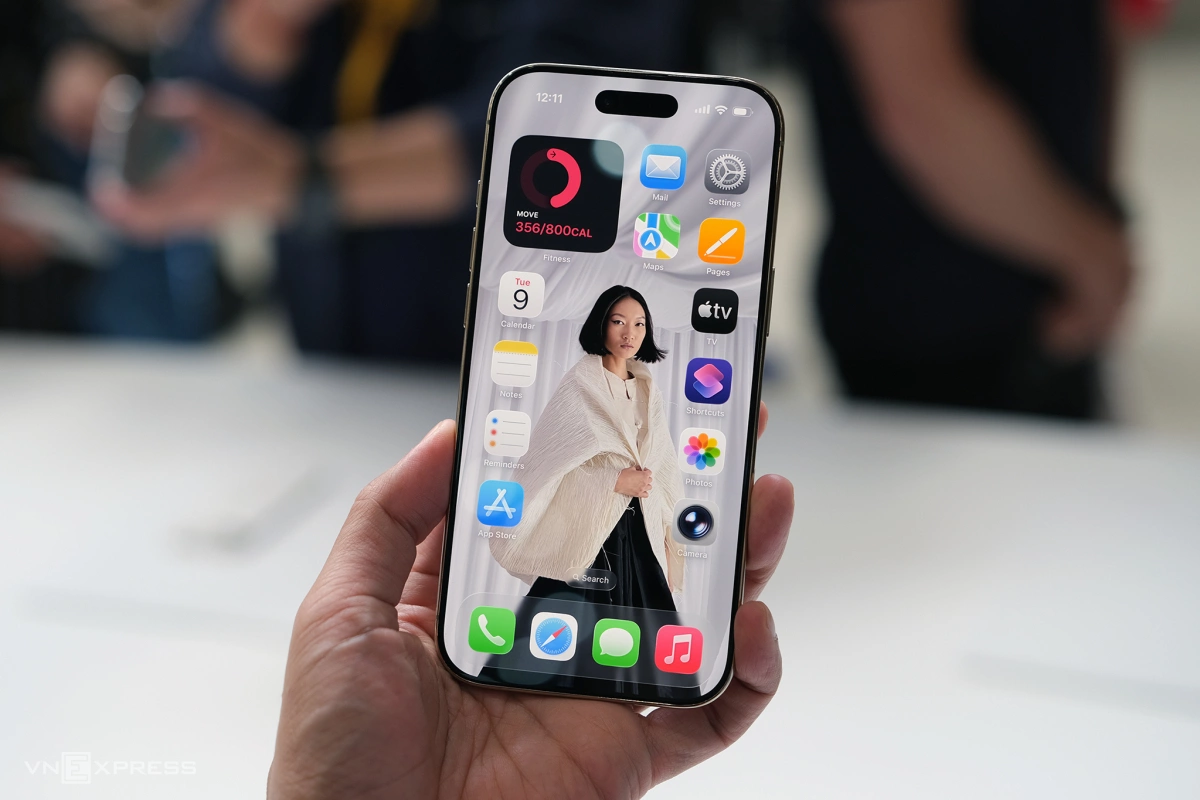




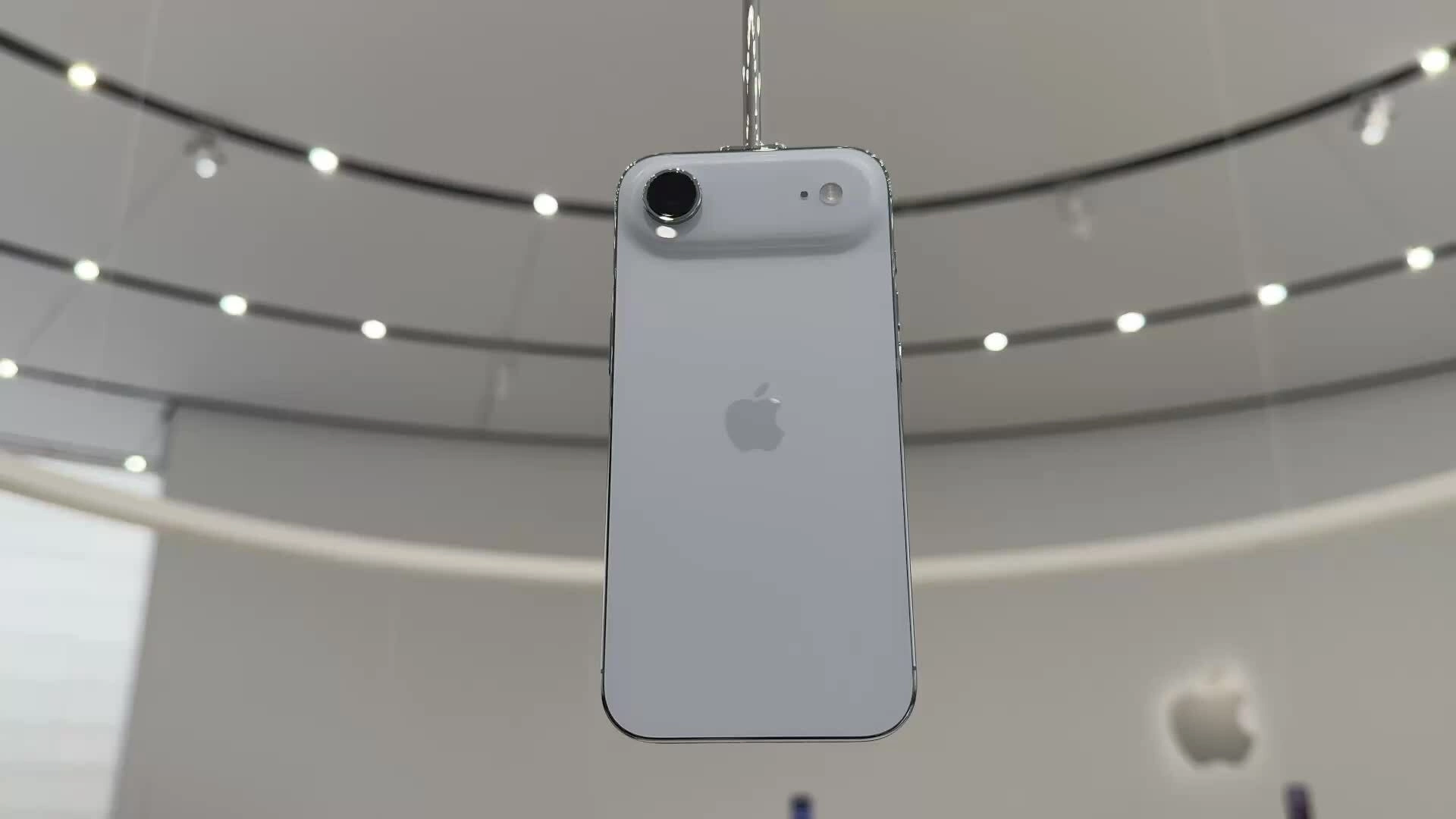
A close look at the newly released iPhone Air, Apple's thinnest phone.
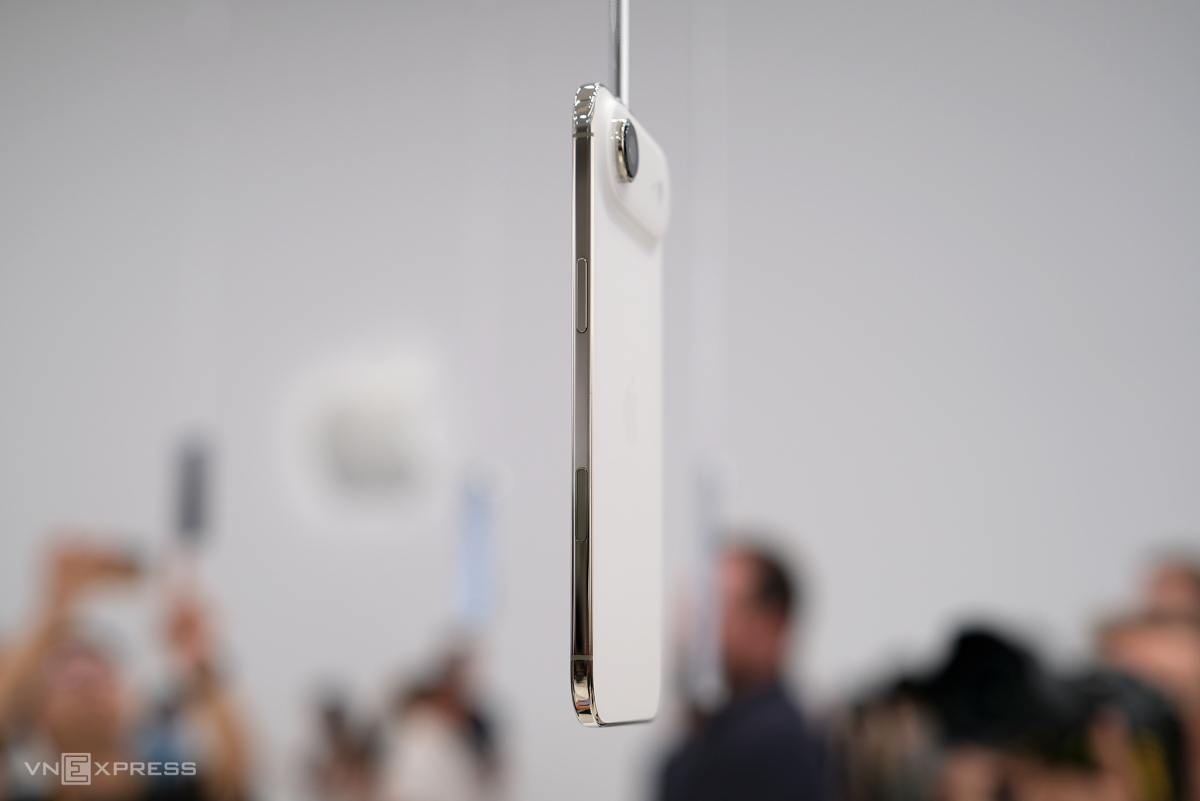
The U.S. tech giant’s new release, the iPhone Air, arrives under a different name from the rumored iPhone 17 Air.
Vietnam will be among its first markets, with the launch scheduled on Sept. 19.
Positioned outside the 17 lineup, it replaces the Plus series, and will be priced at VND32 million (US$1,213).
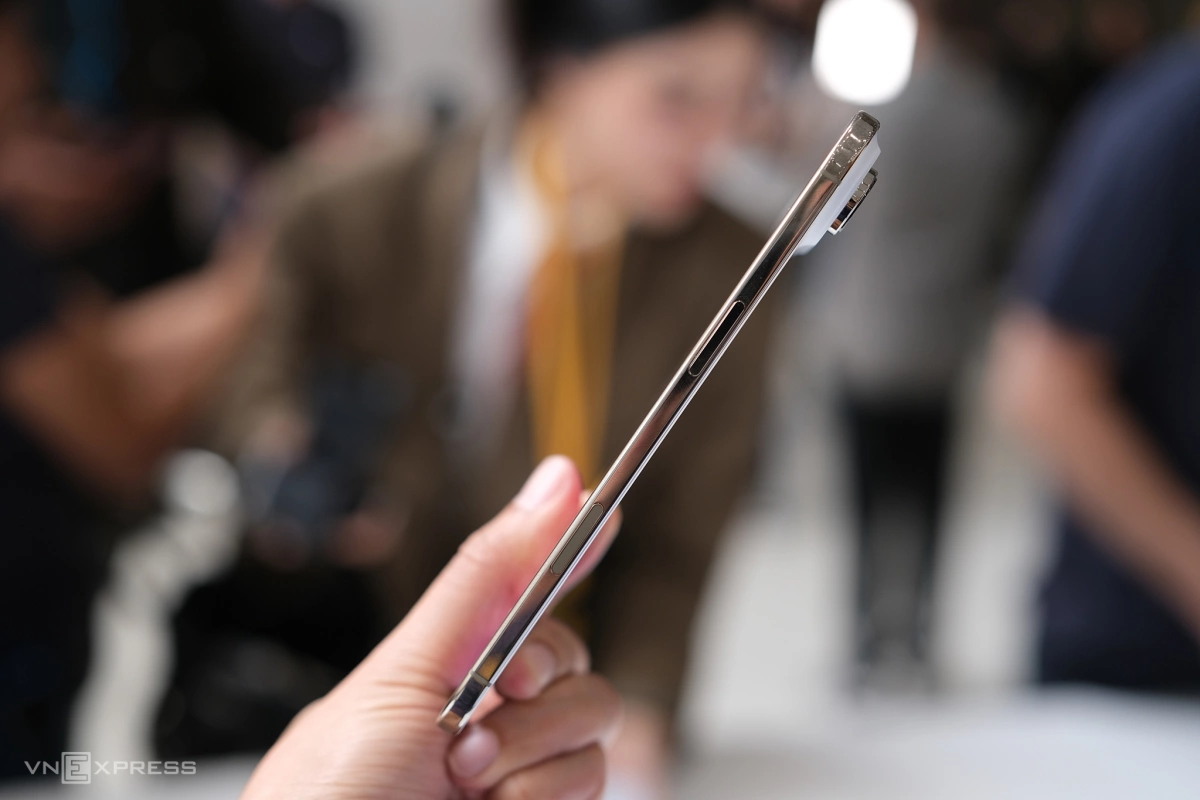
At 5.6 mm, it is Apple’s thinnest phone ever and slimmer than Samsung’s Galaxy S25 Edge’s 5.8 mm.
It is also the thinnest smartphone currently available, though older models like the Vivo X5 Max and Oppo R5 were thinner at 4.7–4.8 mm when released more than a decade ago.

It has a titanium body for a solid grip and glossy edges instead of the matte finish on the 17.
It is Apple’s only 2025 model to use titanium.
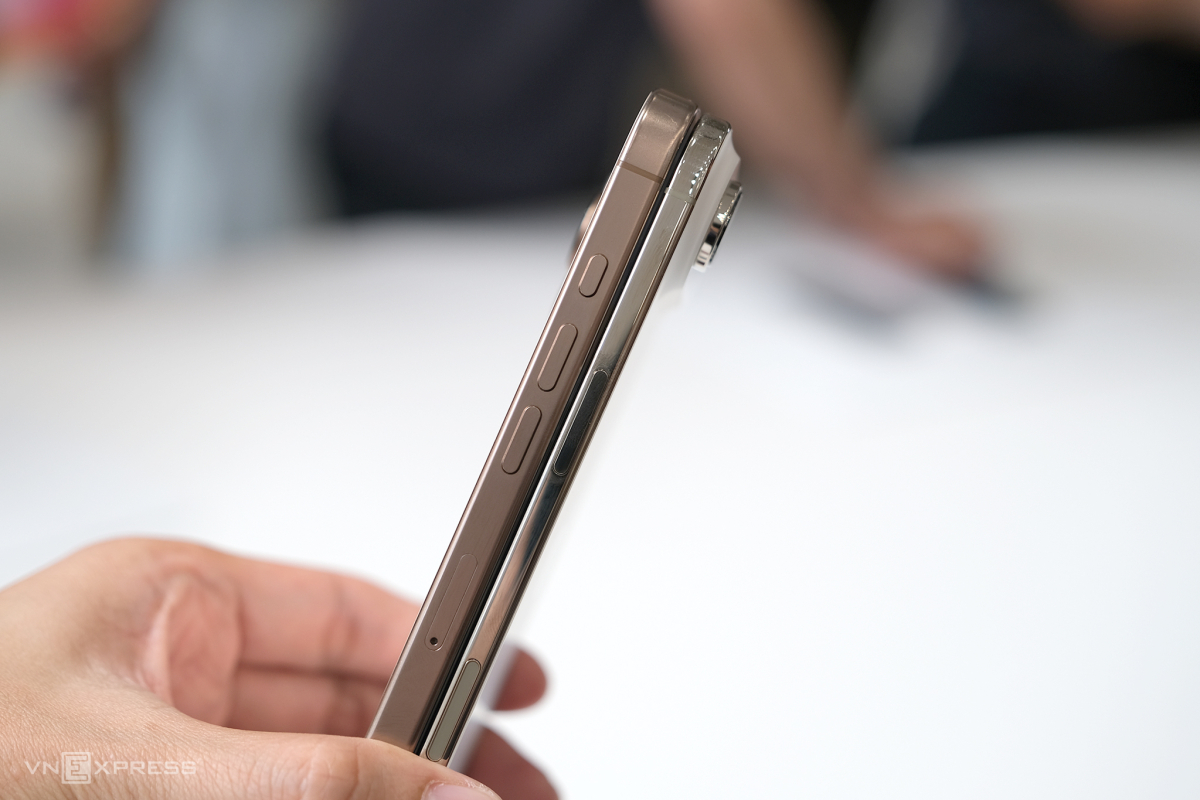
A side-by-side comparison of the iPhone Air (right) and last year’s iPhone 16 Pro Max, which measured 8.25 mm, the normal thickness in today’s smartphone market.
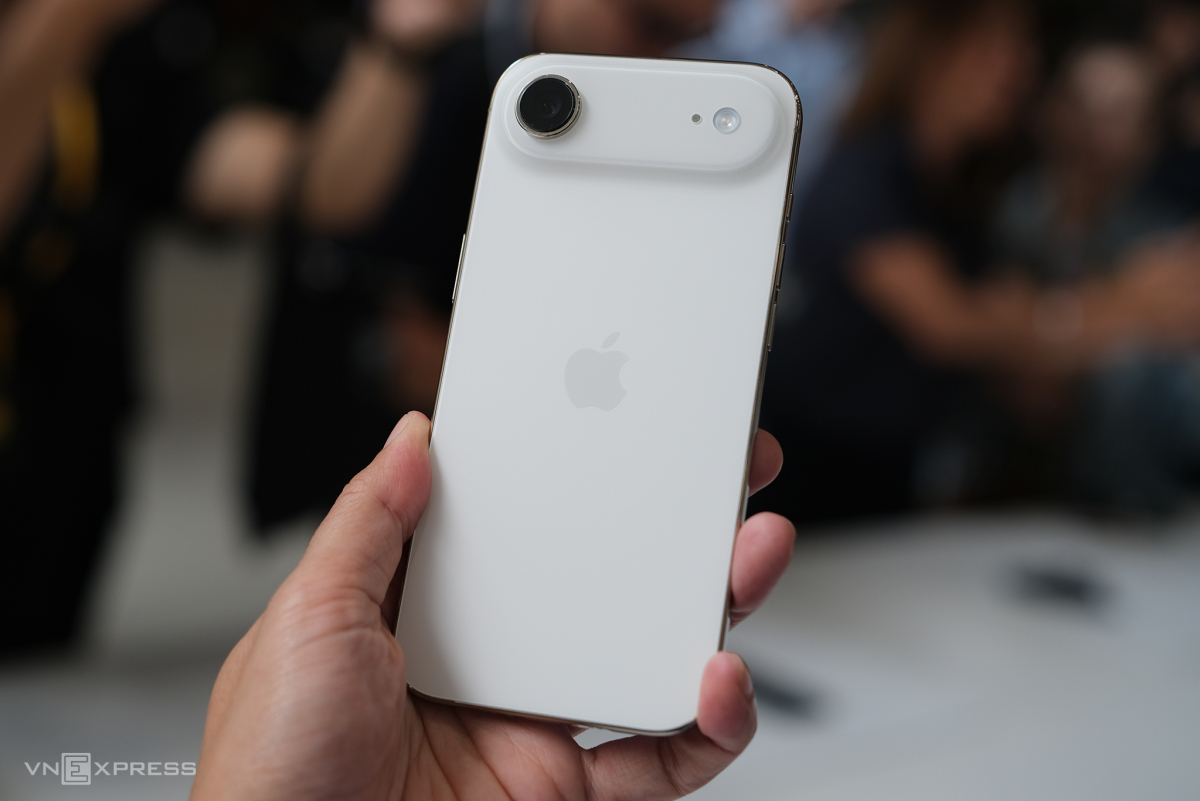
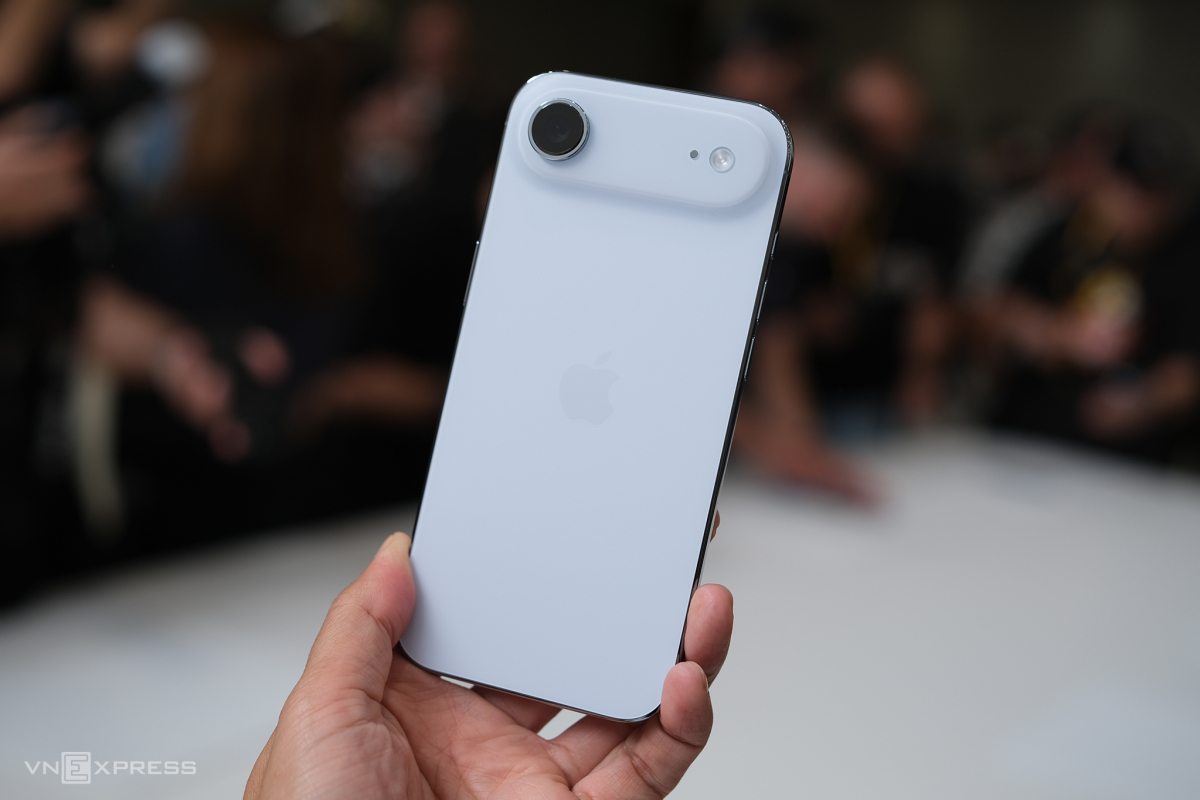
The phone’s back matches earlier leaks, with a seamless frosted glass finish and centered Apple logo.
Its raised horizontal camera module at the top resembles designs seen on Google Pixel devices.
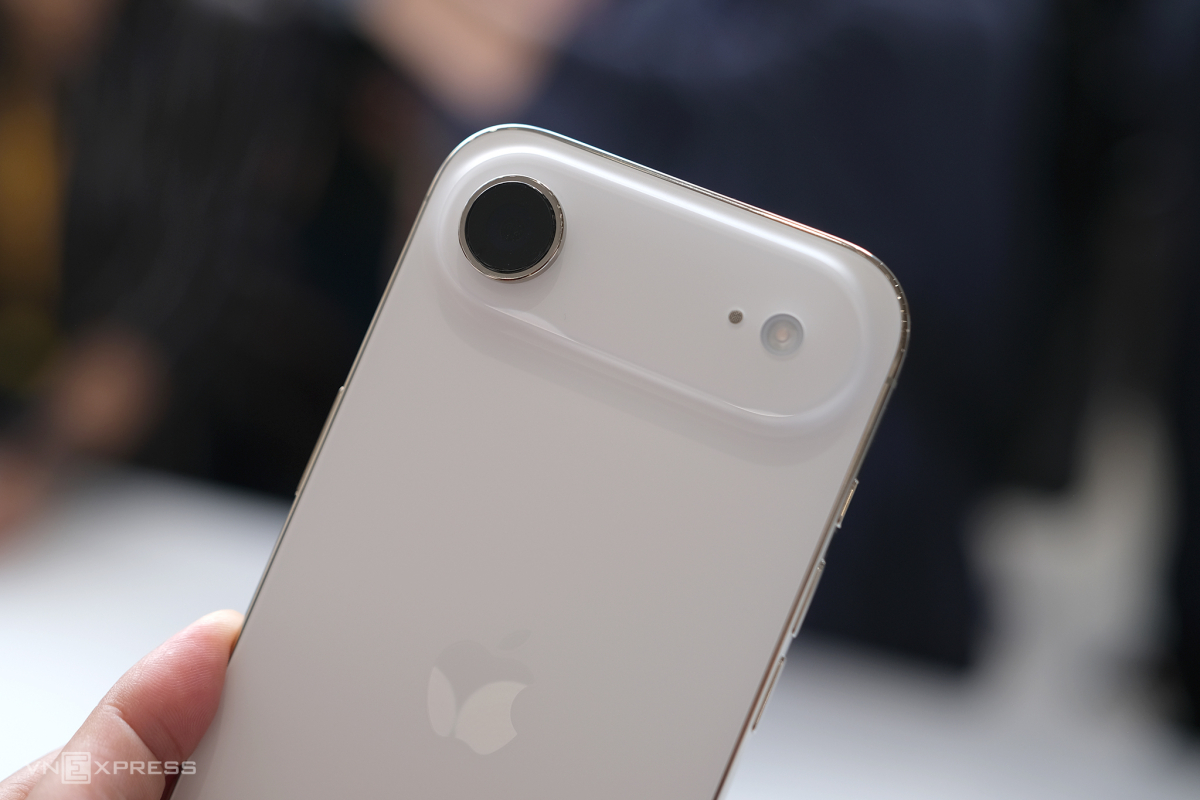
It is limited to a single-lens camera, offering performance slightly above the 16e but below the dual-camera iPhone 17.
The 48 MP sensor produces 24 MP default images using pixel-combining technology, and allows 2x digital zoom with minimal loss of quality.
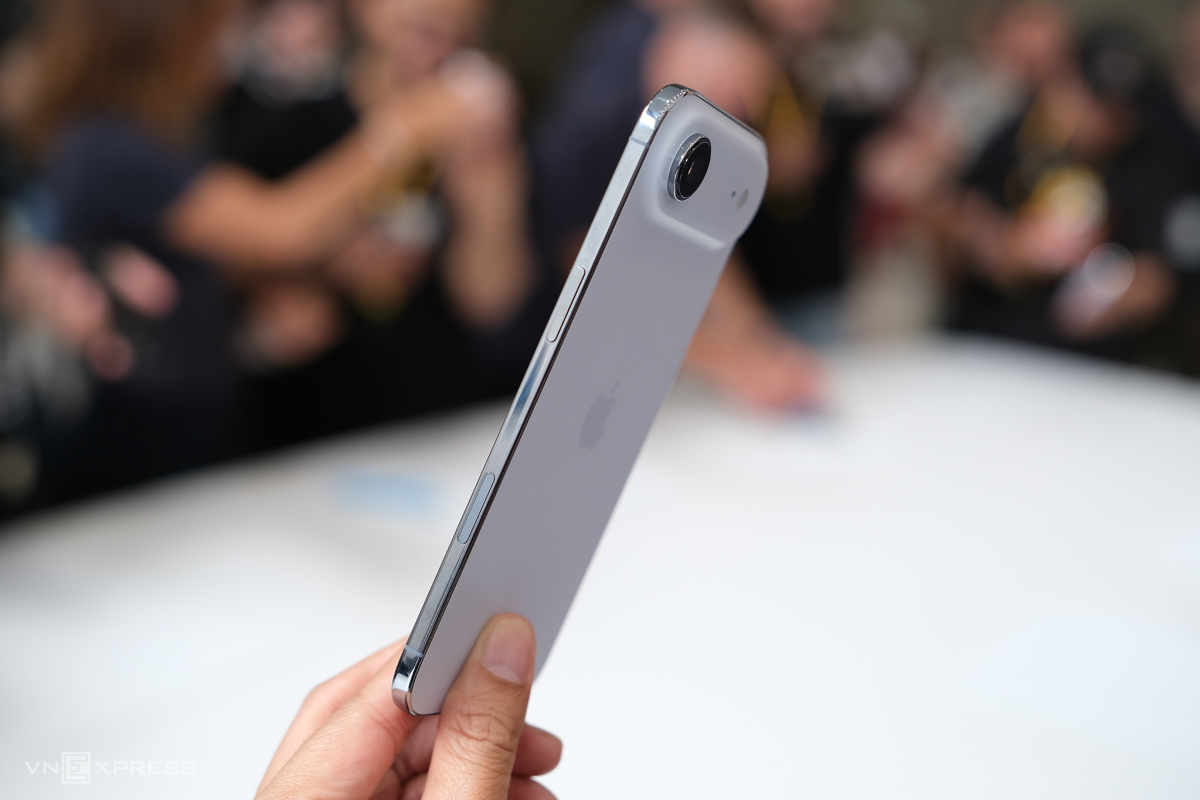
Its camera bump has a seamless curved design, with the lens protruding slightly.
Apple said the compact module frees space for the battery, promising “all-day” use without disclosing capacity.
Despite its slim frame, the device runs on the new A19 Pro chip, also used in the 17 Pro, with performance comparable to some MacBook Pro models.
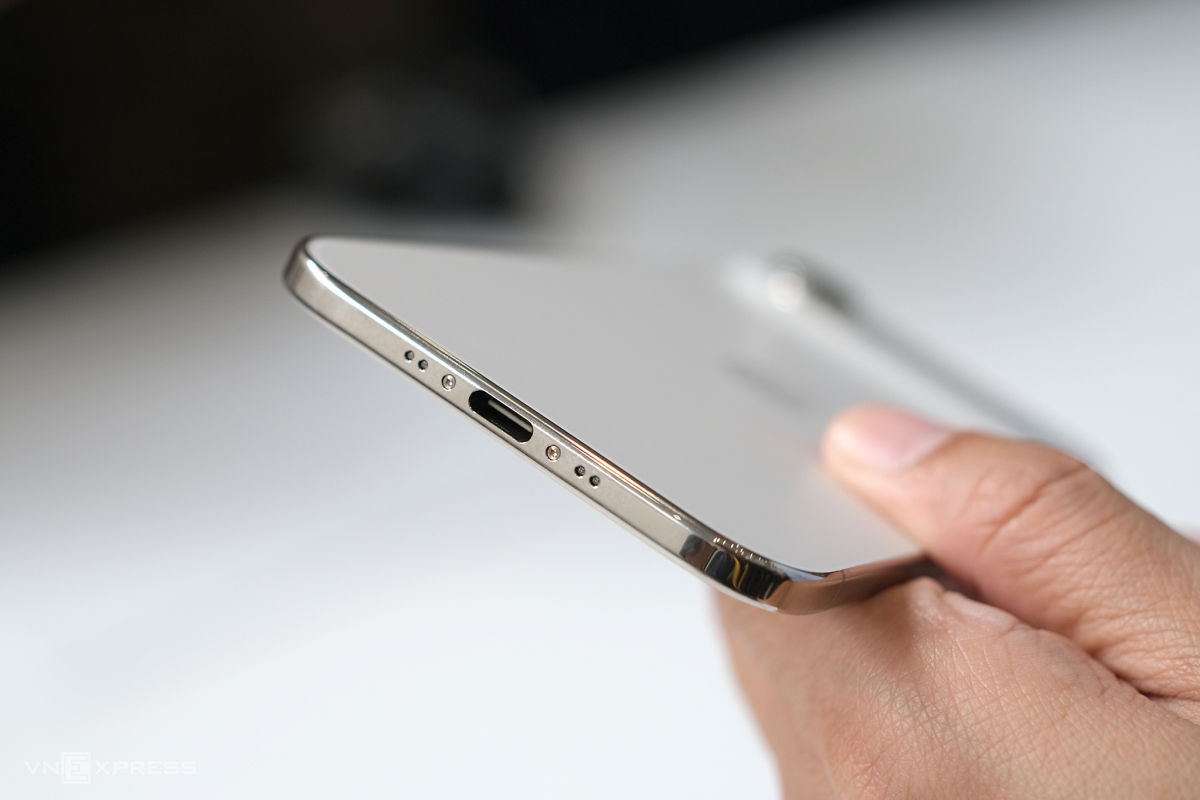
The USB-C port appears more prominent against the phone’s slim body.
The model supports only eSIM worldwide, a move likely intended to reserve internal space for the battery.
It is also the first iPhone to feature Apple’s N1 chip, which supports Wi-Fi 7 and Bluetooth 6.0.
It is paired with the new C1X modem, twice as fast as the C1 and more power-efficient than the Snapdragon X71 used in the 16 Pro.
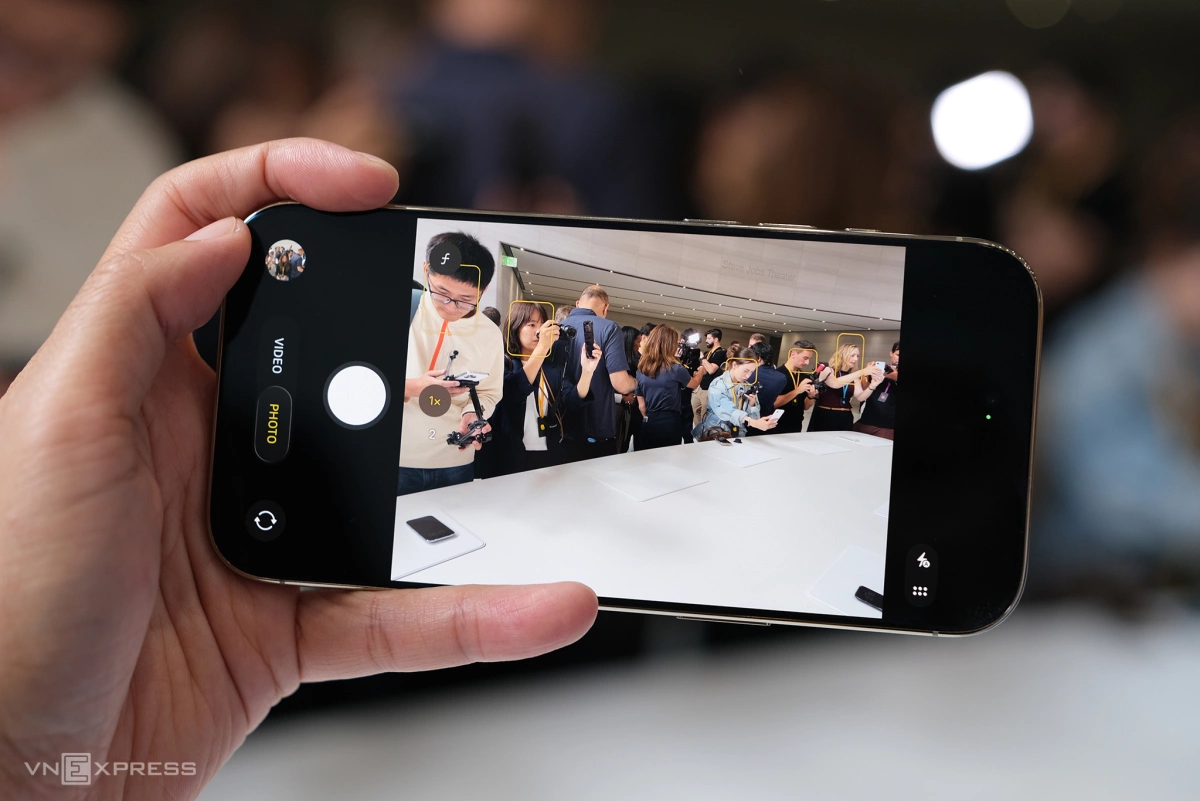
The device retains the camera control button on the right side of the frame, introduced in the 17 series, enabling quick shooting and control adjustments.
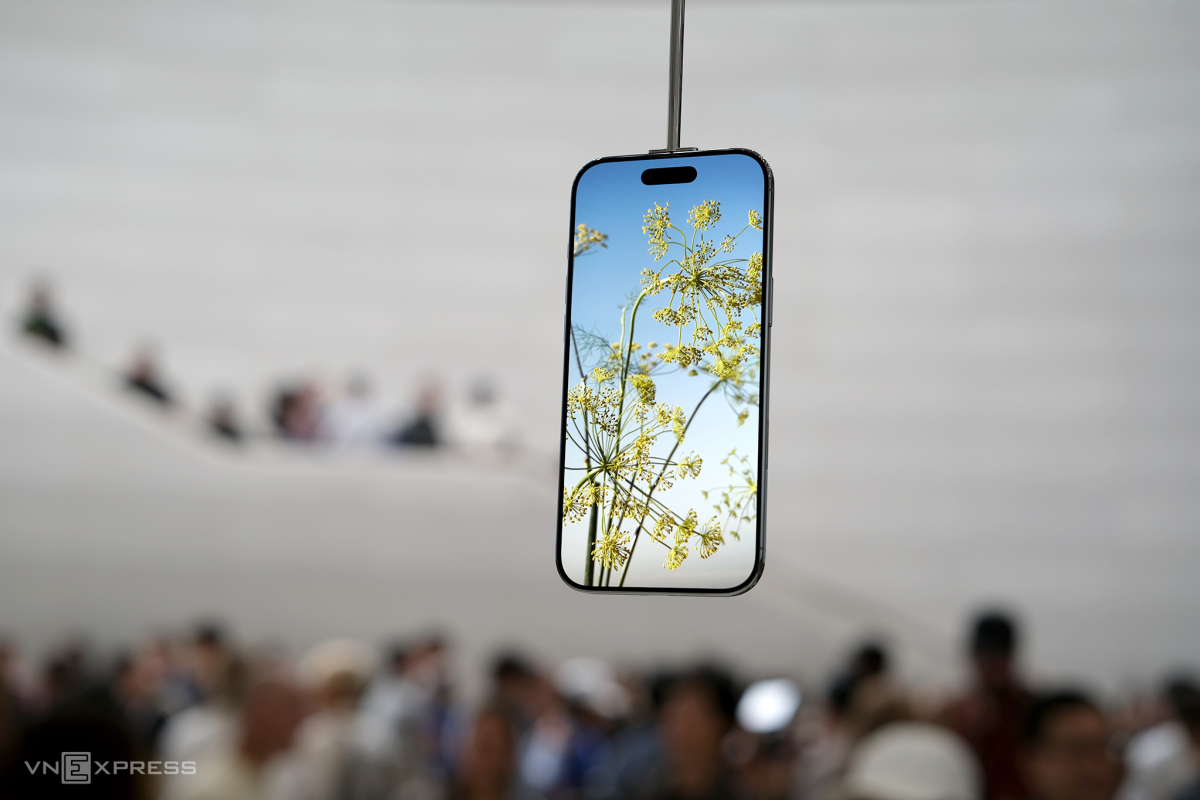
It features a 6.5-inch LTPO Super Retina OLED display with 120 Hz ProMotion, slightly smaller than the former Plus line but larger than the iPhone 16 (6.1 inch) and iPhone 17 (6.3 inch).
The screen continues with Apple’s Dynamic Island design, where the front camera and sensors are housed in a pill-shaped cutout.
It is protected by Ceramic Shield 2 glass and supports peak brightness of 3,000 nits.