




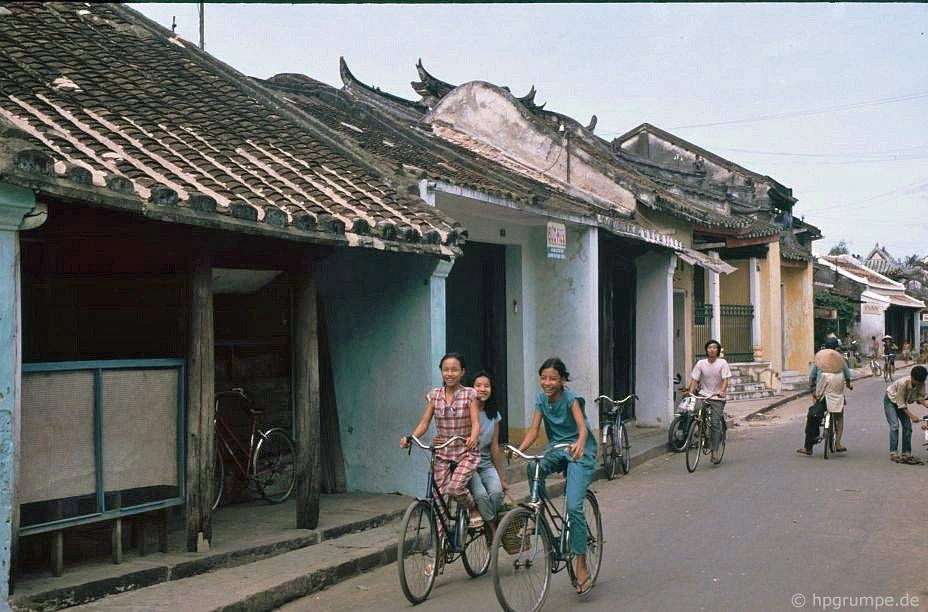
Hans-Peter Grumpe from Germany first visited Hoi An in 1991.
He recalled that the town was largely deserted, despite having been listed on the official tourist map since 1985, and the presence of a Western visitor like him often drew curiosity from local residents.
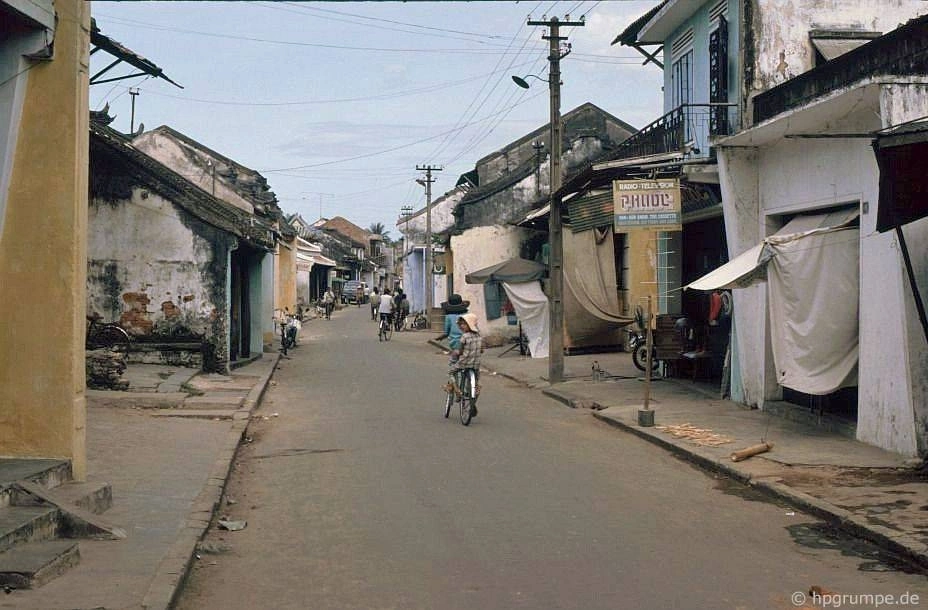
In 1991, Hoi An had not yet been recognized by UNESCO as a world heritage site.
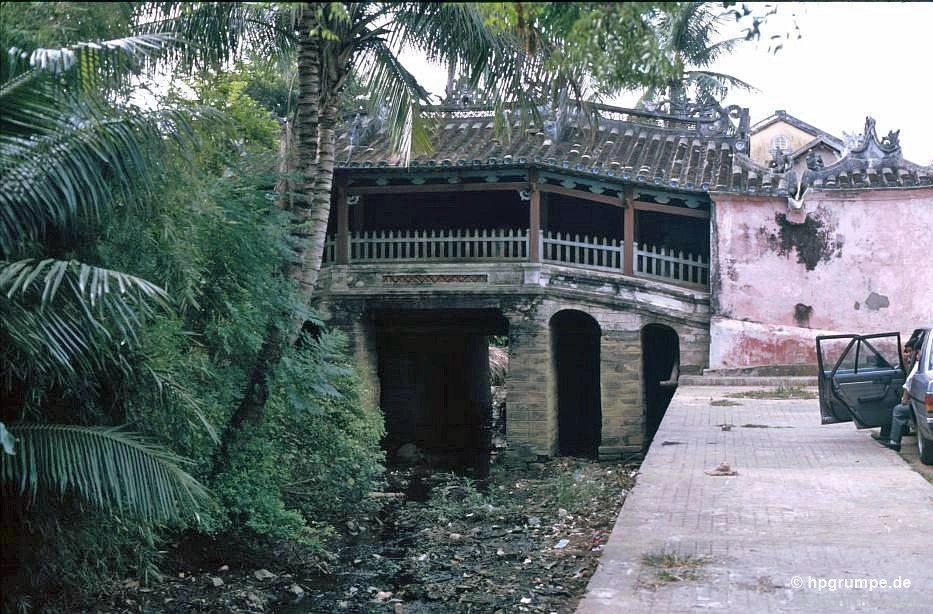
The old houses remained in their original state, untouched by renovations or commercialization.
The main modes of transportation were bicycles and cyclos.
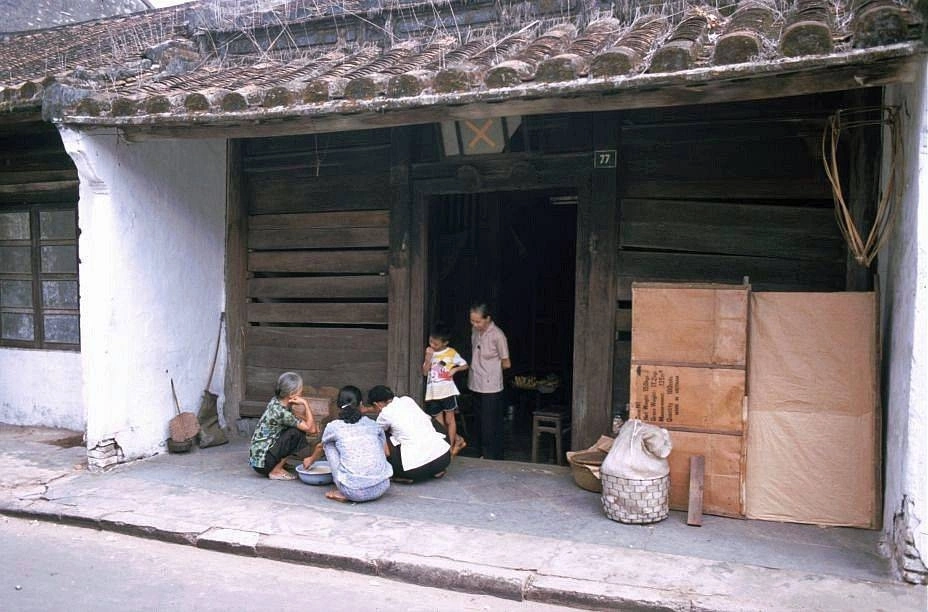
Basic services, souvenir shops, and public lighting were largely absent at the time.
Grumpe said the atmosphere in Hoi An in 1991 was quiet and unhurried, defined by rows of weathered old houses, moss-covered tiled roofs, and peeling whitewashed walls in contrast to the busy and crowded streets at present.
Many of the buildings had yet to be restored or repainted in the uniform yellow hue that characterizes the town today.

In the early 1990s, many residents of Hoi An sought to replace their aging homes with modern concrete structures.
However, authorities stepped in to curb demolitions and ban expansions, aiming to preserve the town's original character.
These conservation efforts culminated in December 1999, when UNESCO officially recognized Hoi An ancient town a world cultural heritage site.

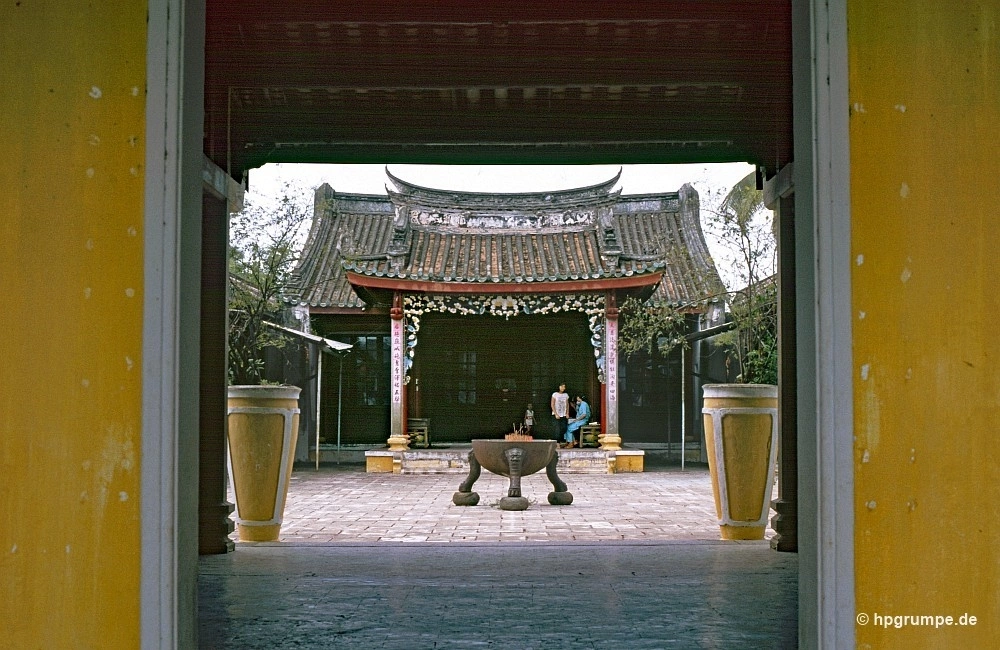
Chaozhou Assembly Hall, built in 1845, looks almost the same as its current state.
When tourism was still in its infancy, sites like this primarily served the spiritual needs of local residents.
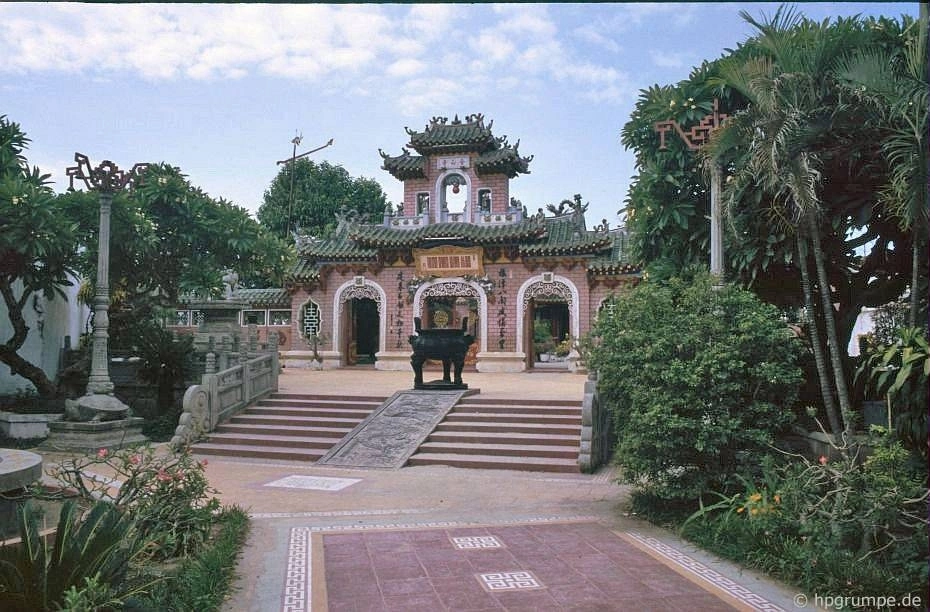
Fujian Assembly Hall as it appeared 35 years ago.
The structure was built around 1697 by the Fujian Chinese community to worship Mazu, the patron deity of seafaring merchants.

A branch of the Thu Bon River through the ancient town of Hoi An.
Along its banks, rows of nipa palms and wild vegetation stretch across the landscape, with no concrete embankments, pedestrian walkways, or resort developments yet in place.
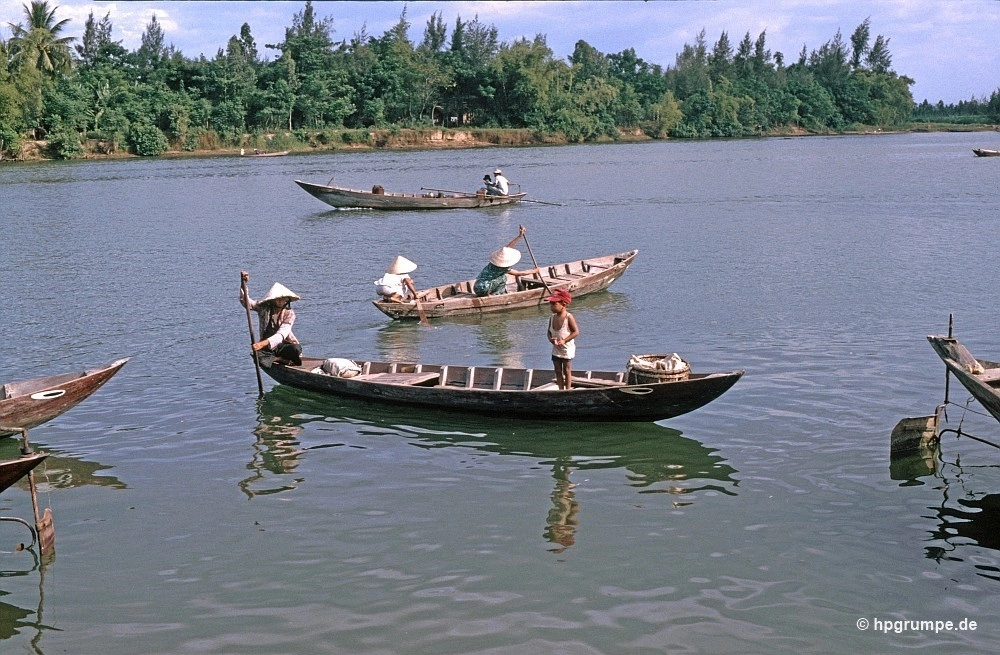
In 1991, the Thu Bon River mainly had small wooden boats and sampans used for fishing and carrying agricultural goods, while tourist dragon boats and motorboats had not yet appeared.
Over the past three decades, Hoi An has steadily grown into one of Vietnam's leading tourist destinations, gaining widespread international recognition.


