




Mai Anh, a traveler from Ho Chi Minh City, visited Chiang Mai for the first time in June, when the city was lush with greenery. With no direct flights from HCMC, most visitors transit through Bangkok and take a one-hour domestic flight.
During her four-day trip to this northern mountain town, Mai Anh explored nature, visited temples, explored its old town, and shopped for handmade goods.
Her first stop was Baan Kang Wat, an artists' village west of the city near the 700-year-old Wat Umong Temple and the base of Doi Suthep Mountain.
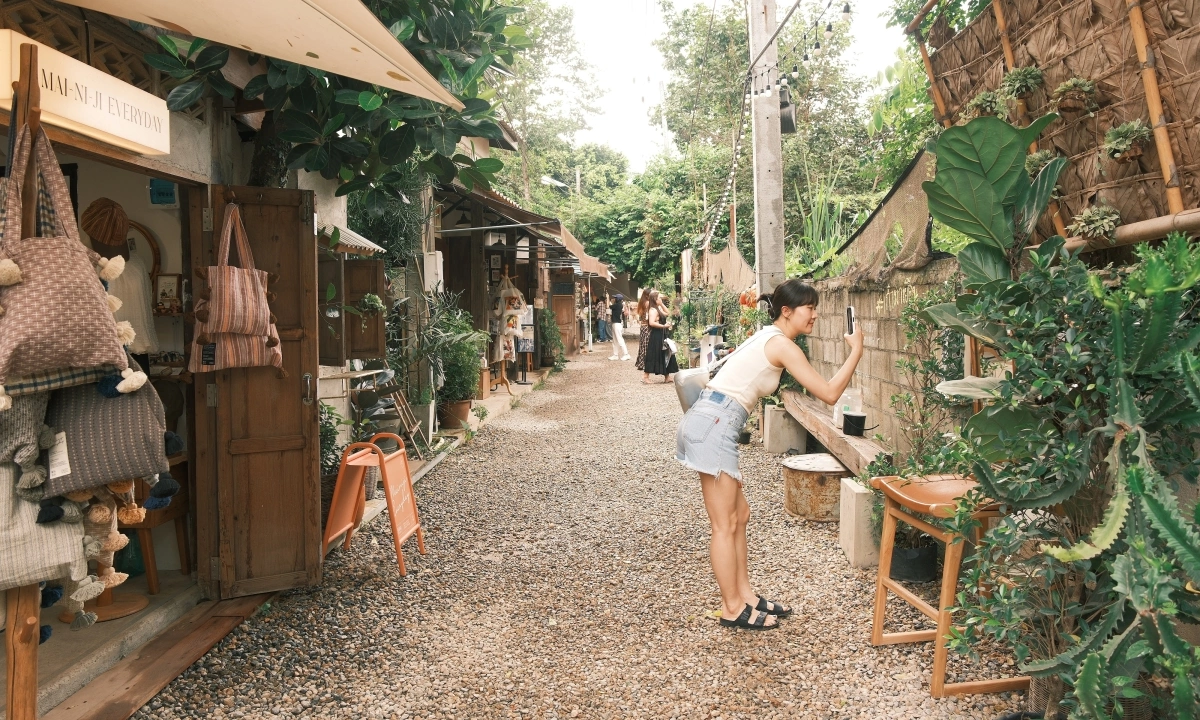
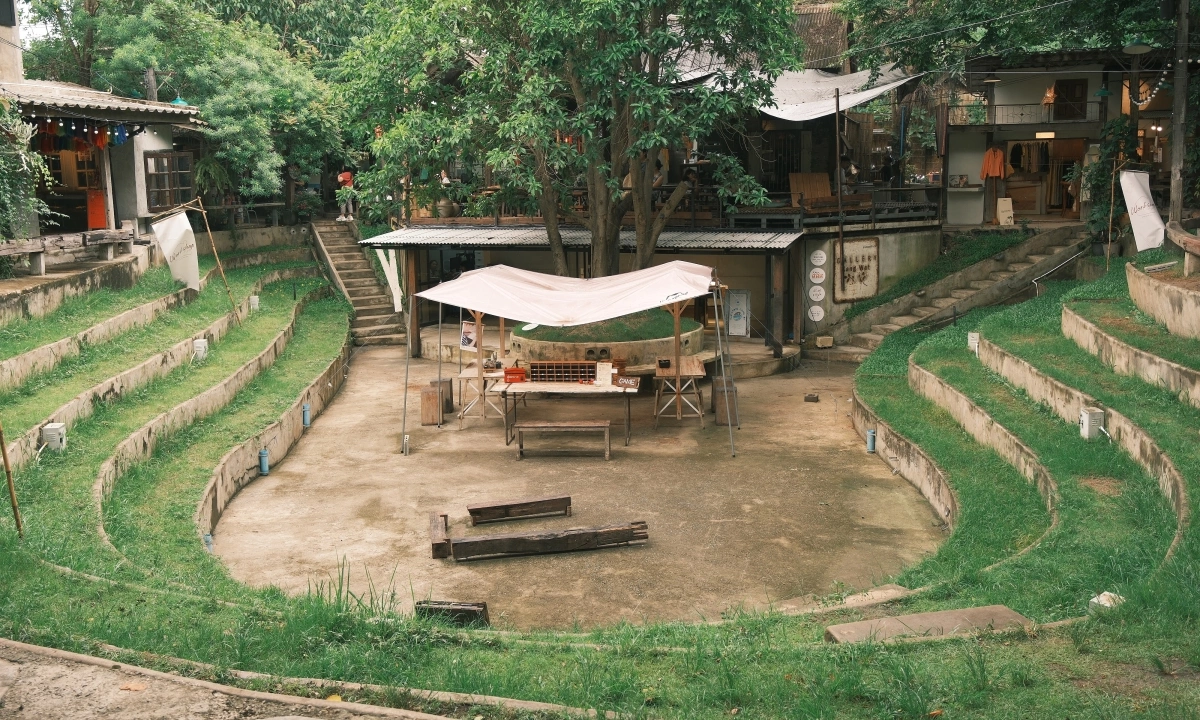
Baan Kang Wat is a creative space with handmade shops, cafés, galleries, workshops, and an outdoor stage.
Visitors can take part in activities like bookbinding, painting and jewelry making, or just relax at a café. All the shops here are run by local artists.
Anh said: "Every corner of the village is picture-perfect. It's popular with visitors who come for photos and personalized crafts."
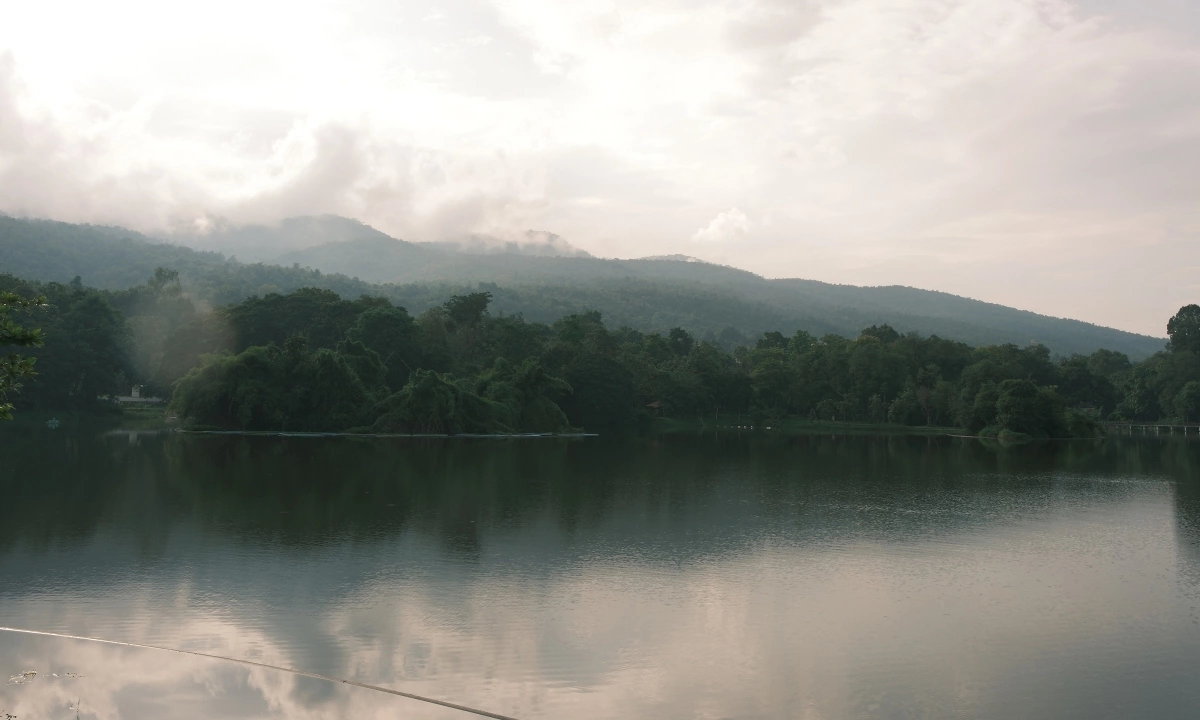
Another place to enjoy Chiang Mai's greenery is Ang Kaew Lake, a manmade reservoir on the main campus of Chiang Mai University at the foot of Doi Suthep.
Originally built to supply water to the university, it is now a public spot for students and locals looking for a break from the city. It is open daily to visitors from 5 a.m. to 10 p.m.
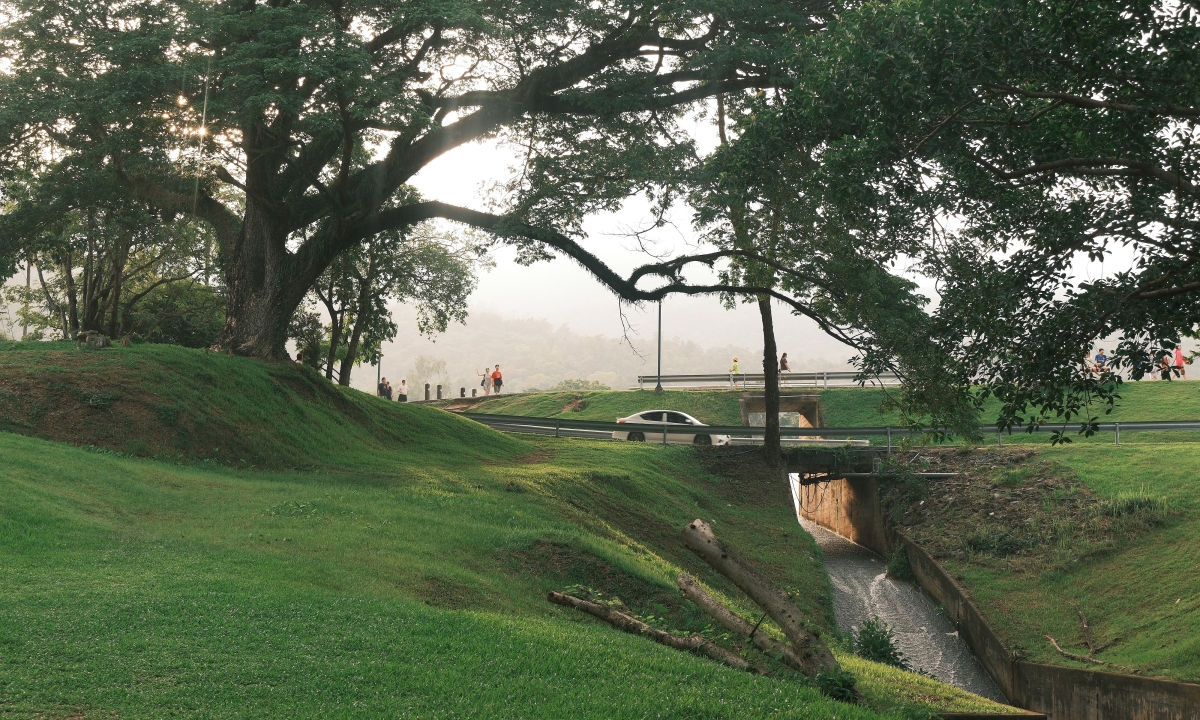
Towering trees surround the lake, with Suthep Mountain rising in the distance. It's a place to watch the sunrise and sunset, while locals come here to jog, walk, bike, or picnic on the grass.


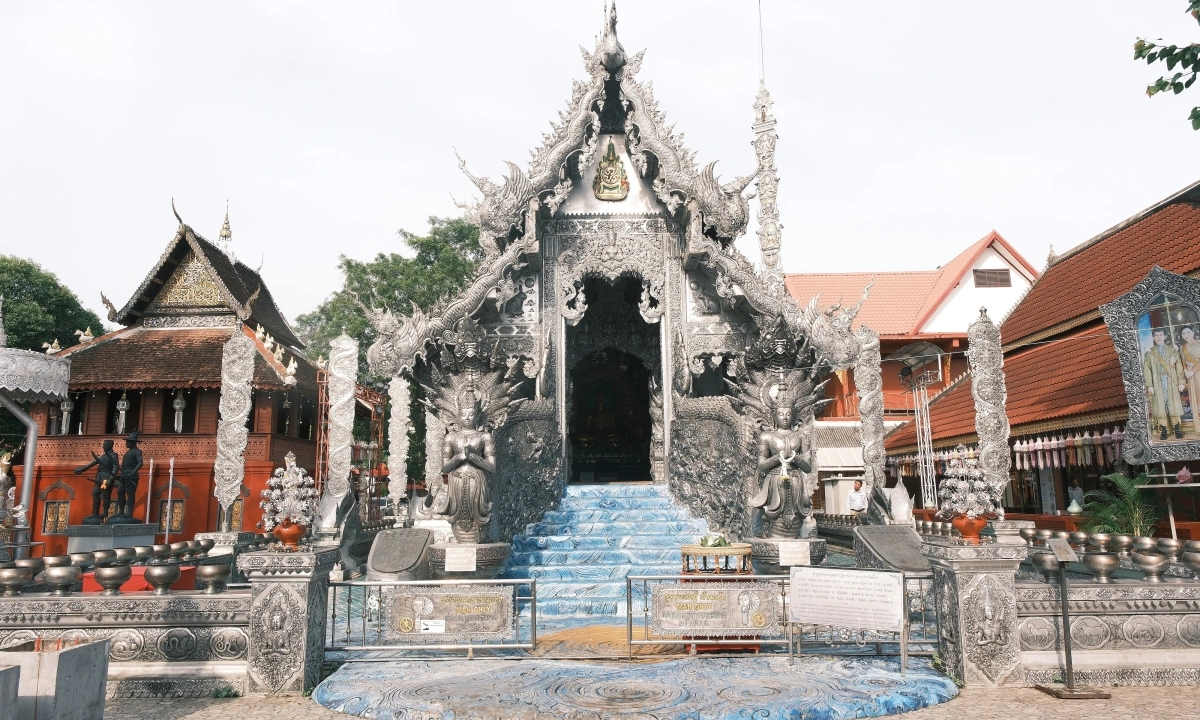
On her third day Anh woke early to visit more temples, starting with the silver-working district of Wualai.
There, she explored Wat Sri Suphan, also known as the Silver Temple, built in the 16th century and restored between 2008 and 2016.
Its standout feature is the ubosot (ordination hall), covered in silver, nickel and aluminum panels engraved with images from Buddhist stories and local life.
Beneath the silver is a lanna (architecture style characterized by blending traditional elements with natural materials like teak wood and intricate carvings) structure with tiered roofs, teak pillars and detailed eaves. The temple also has a prayer hall (viharn), a stupa and a workshop where silver artisans work.
Only men are allowed to enter the main hall.
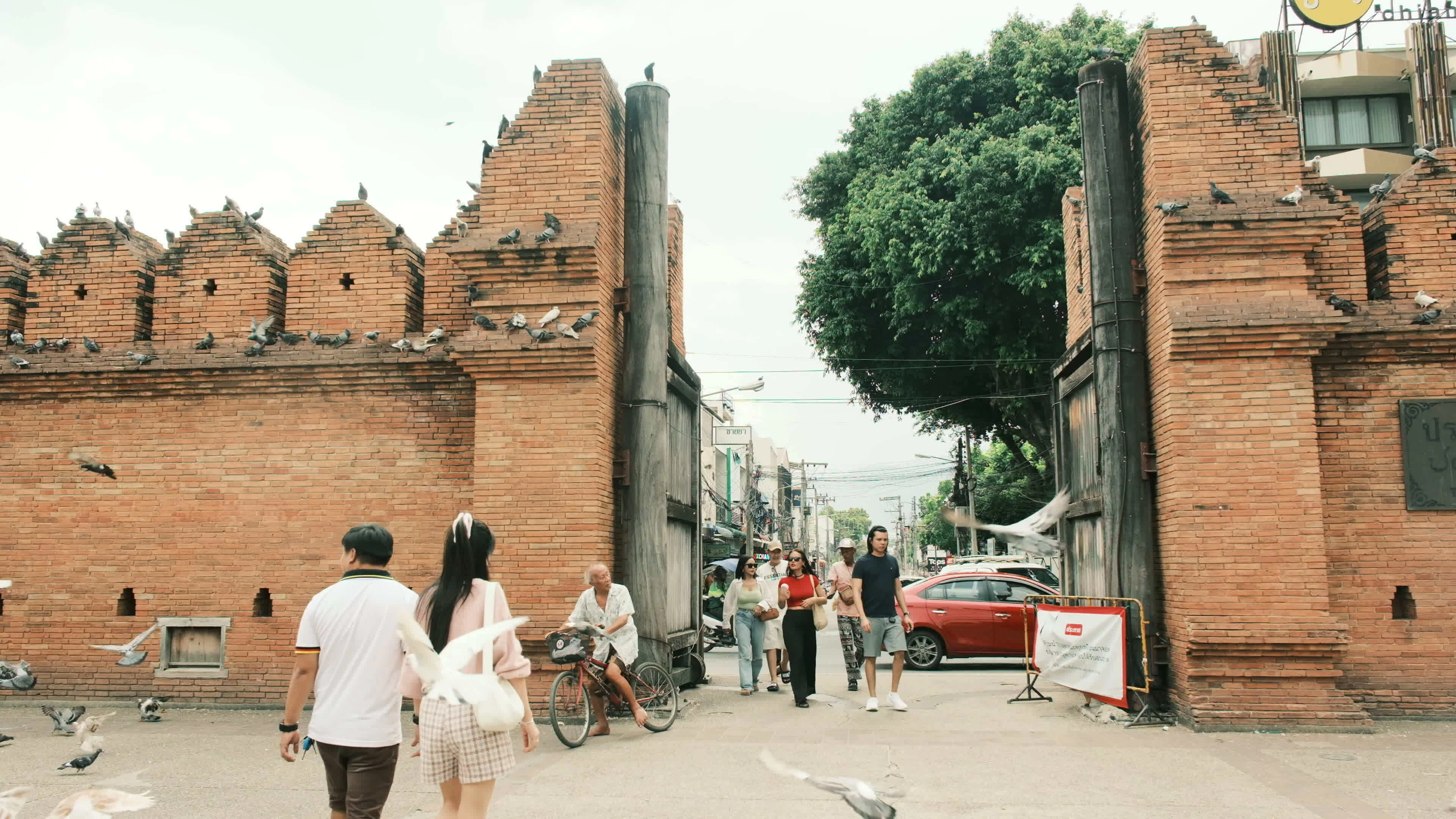
In the afternoon Anh and friends joined a walking tour of the old town.
"Chiang Mai balances the tranquility of nature and ancient architecture with the convenience of modern services," she said.
Their tour began at Tha Phae Gate, one of Chiang Mai's historical landmarks. Part of the original 13th-century city wall, it once served as the main eastern entrance for monks, traders and visitors.
Built of red bricks, the gate has lanna-style defenses like battlements and corner towers. Today the square in front is a gathering spot, especially during festivals and weekend markets.
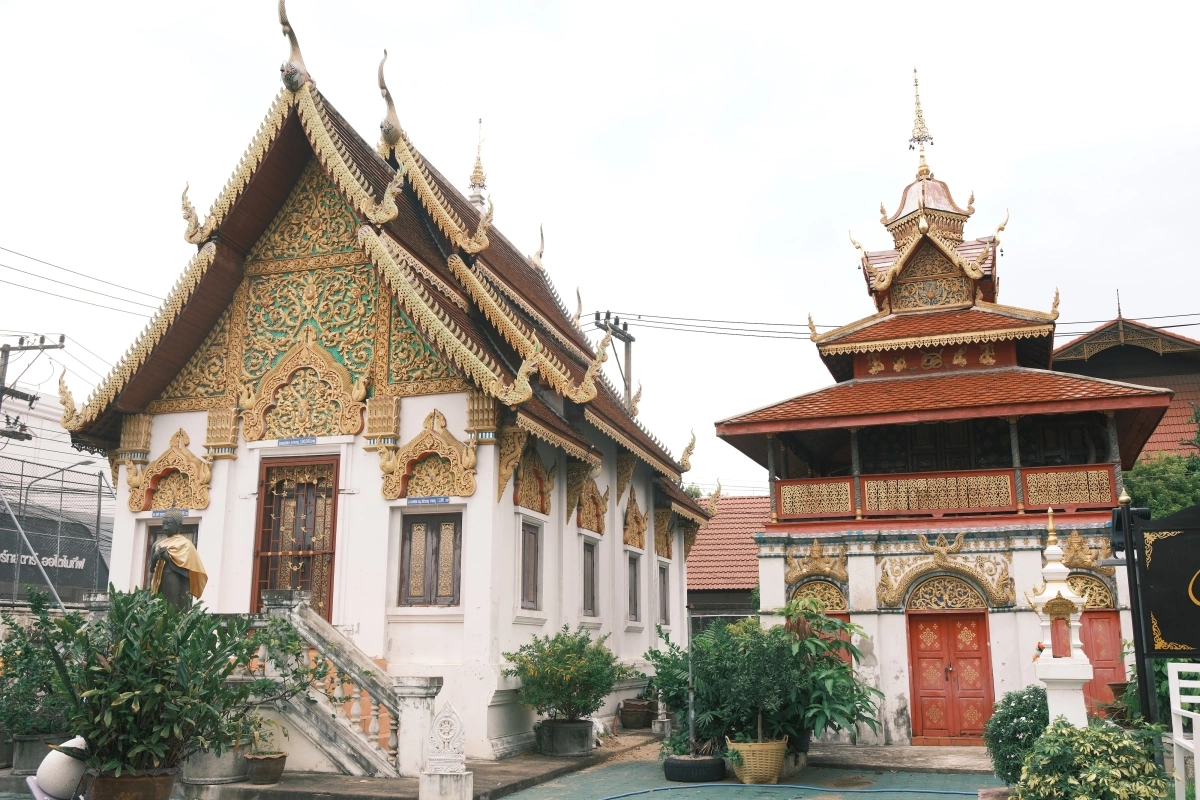
Close to the gate is Wat Muen Lan, known as the temple of infinite wealth, with its white-and-gold stupa. The bell-shaped tower (L) is adorned with gold leaf, porcelain and mosaic glass.
The temple's Ho Trai (library) has two levels: a stone base with a gilded archway and an upper wooden floor with balconies and a spire.
Wat Muen Lan also has a bell tower (R) with a golden pyramid roof, decorated with naga motifs in stucco and a gold-gilded spire.
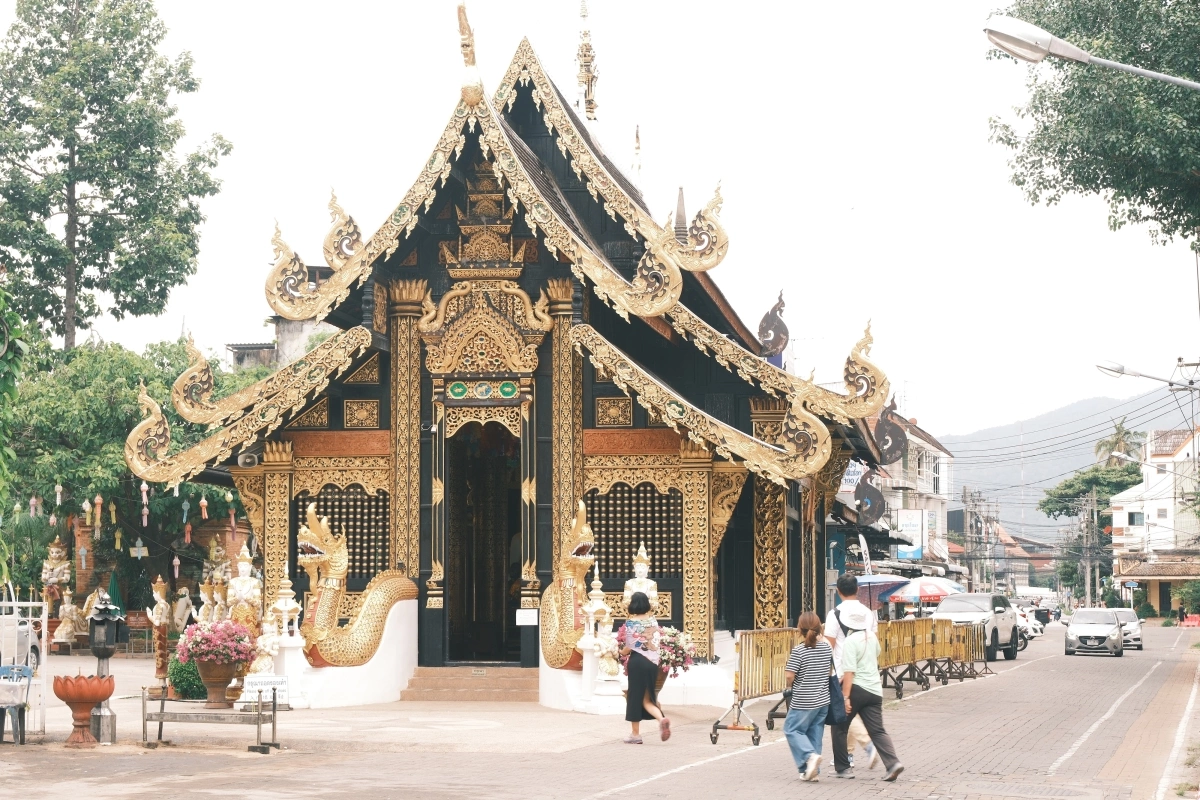
Nestled in the heart of the old town with Mount Suthep on the horizon, the temple is one of 36 in the area that visitors can explore on foot.
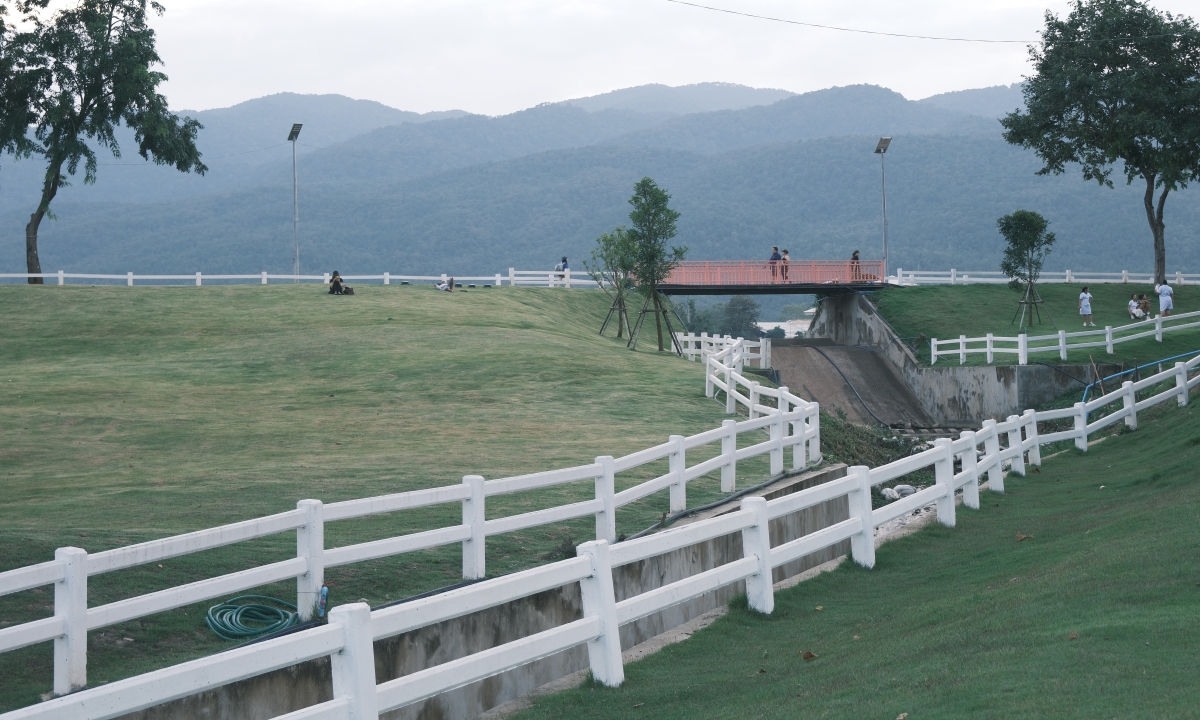
On her final day Anh visited Chaloem Phrakiat Park (Suan Chaloem Phrakiat) for a picnic.
Situated on Chiang Mai's outskirts near the provincial administrative center, the park is open from morning to evening. It has lawns, tree-lined paths, paved walkways, and an artificial lake.
In winter it hosts the Chiang Mai Flower Festival.
It is scenic at sunset and after dark when lights come on. There is free parking and food stalls. Pets are allowed.
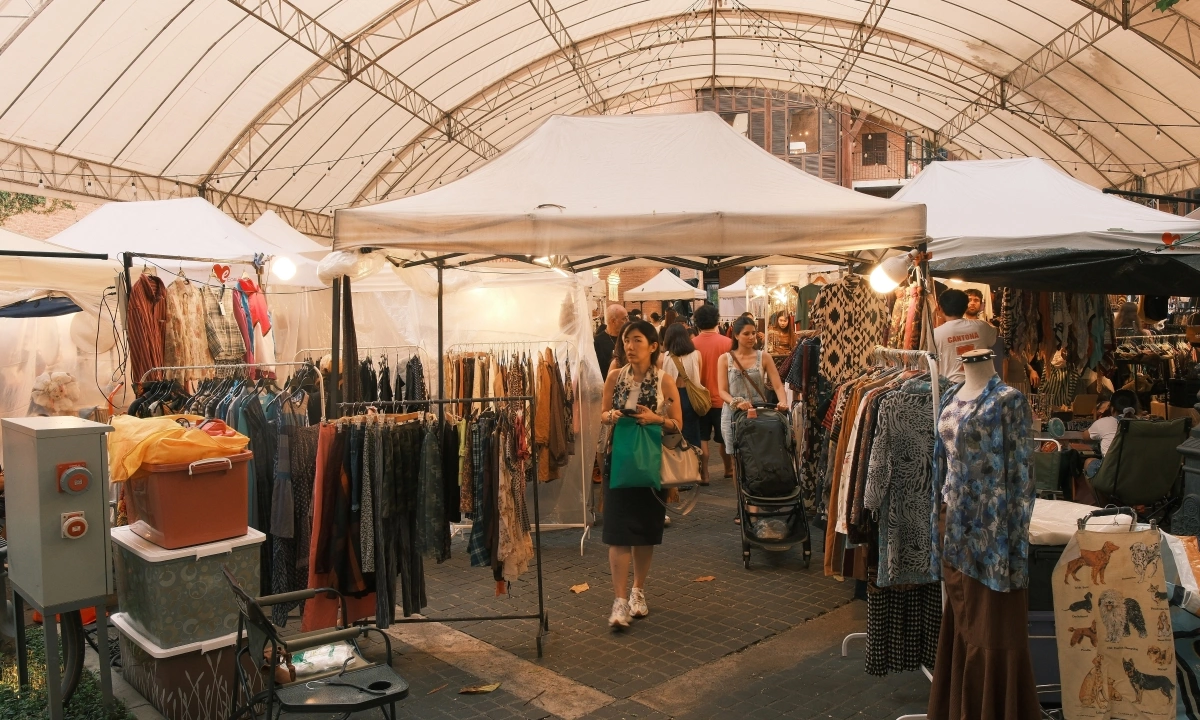
Before heading home Anh visited some city markets. One Nimman, a mixed-use cultural and entertainment complex in the Nimmanhaemin area, was a highlight.
Open daily from 11 a.m. to 10 p.m., One Nimman blends indoor and outdoor space with fashion boutiques, artisans' stalls, cafés, restaurants, and art galleries. The central square hosts performances, food stalls and weekend night markets.
Anh said: "The stalls here are affordable, with unique styles and good quality. I spent nearly VND2 million ($76) on clothes and bags."
She plans to return to Chiang Mai at the end of the year for the lantern festival.


