The most read Vietnamese newspaper
Edition: International | Vietnamese
© Copyright 1997 VnExpress.net. All rights reserved.
 Get VnExpress first in Google Search
 See more of the news you trust. Make VnExpress a preferred source to prioritise our updates in your Google search results
The quake hit at 8:22 p.m. (1122 GMT) in Pacific waters off northern Miyagi prefecture, according to the Japan Meteorological Agency.
It follows a powerful 7.7-magnitude earthquake that hit near the region in April, prompting a tsunami alert at the time.
The agency has cautioned that a major quake could occur in the region, even after it lifted a special warning issued after the April tremor.
 |
|
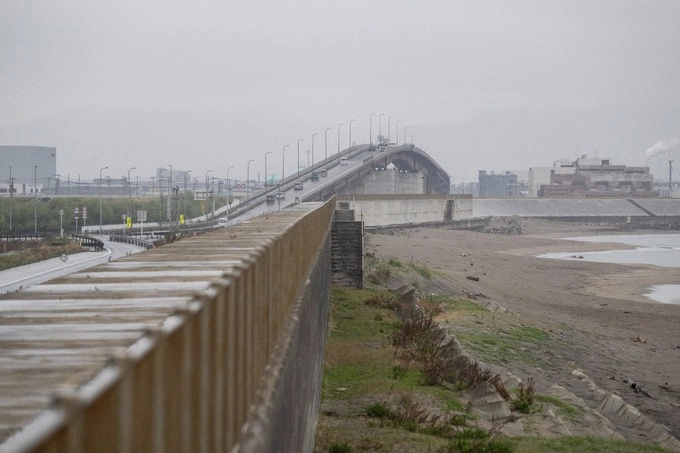
Cars drive over a bridge protected by a tsunami sea wall in Ishinomaki, Miyagi Prefecture, Japan, on April 27, 2026. Photo by AFP |
Public broadcaster NHK said on Friday that no abnormalities were detected at nuclear power plants in Miyagi and Fukushima, located about 125 kilometers from the epicenter.
The operation of shinkansen bullet trains was suspended due to the quake, East Japan Railway announced.
Japan is one of the world's most seismically active countries, sitting on top of four major tectonic plates along the western edge of the Pacific "Ring of Fire."
It has strict construction regulations intended to ensure buildings can withstand strong earthquakes.
However, it is still haunted by the memory of a massive 9.0 magnitude undersea quake in 2011, which triggered a tsunami that left around 18,500 people dead or missing and caused a devastating meltdown at the Fukushima nuclear plant.