
The most read Vietnamese newspaper
Edition: International | Vietnamese
© Copyright 1997 VnExpress.net. All rights reserved.
 Get VnExpress first in Google Search
 See more of the news you trust. Make VnExpress a preferred source to prioritise our updates in your Google search results
January marked a pivotal moment in the AI race when Chinese startup DeepSeek unveiled its open-source AI model, which was trained using far less computing power than models from major American firms. This breakthrough catapulted founder Liang Wenfeng to billionaire status, with his net worth now estimated at $11.5 billion, according to Forbes.
Blockbuster funding rounds in 2025 for companies like Anthropic, Safe Superintelligence, OpenAI, and Anysphere have further fueled the rise of new billionaires, propelling their valuations to record levels. AI startups attracted more than $200 billion in investment in 2025, accounting for 50% of all global funding, up 16% from 2024, according to Crunchbase. The number of AI "unicorns", private companies valued at $1 billion or more, has surged to 498, with a combined value of $2.7 trillion, as reported by CNBC.
Billions of dollars flowed into startups developing multimodal AI across image, video, and audio. Among them, ElevenLabs cofounders Mati Staniszewski and Piotr Dabkowski became billionaires after the AI audio startup raised $100 million at a $6.6 billion valuation in October.
AI-driven tools for business, including coding and data analysis, have also turned entrepreneurs into billionaires, including the cofounders of Anysphere, who helped secure a $29 billion valuation for the company in November.
 |
|
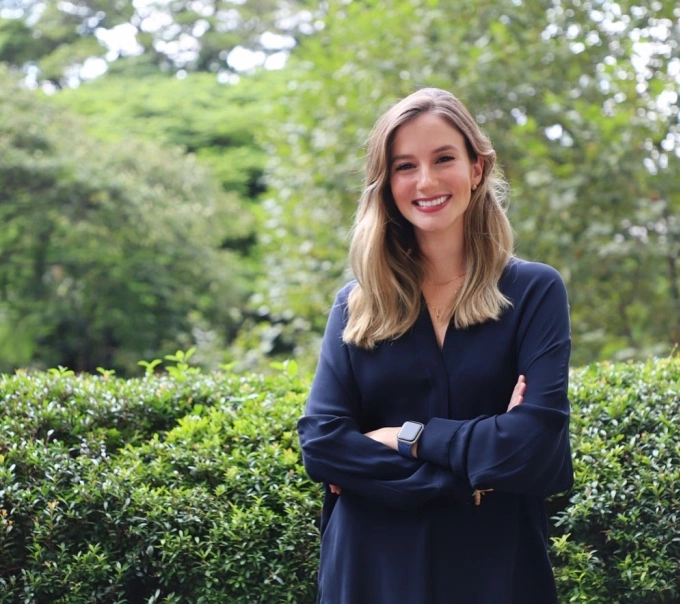
Luana Lopes Lara, 29, founder of prediction market startup Kalshi and the world's youngest self-made female billionaire. Photo courtesy of Luana's Instagram |
Driven by surging demand for data centers, companies supplying the core infrastructure for AI minted more than a dozen new billionaires in 2025. The race, however, extended beyond models and hardware into a fierce talent war. That competition peaked in June when Meta bought a 49% stake in data-labeling startup Scale AI for more than $14 billion.
As part of the deal, 28-year-old CEO and cofounder Alexandr Wang, who first became a billionaire in 2022, joined Meta as chief AI officer. The transaction valued Scale AI at about $29 billion and briefly made Wang’s cofounder Lucy Guo, 31, the world’s youngest self-made woman billionaire, with an estimated net worth of $1.4 billion
Last year also saw a record number of self-made billionaires in their 20s, with many capitalizing on AI’s rapid growth, Fortune reported. For instance, 22-year-olds Adarsh Hiremath and Surya Midha co-founded Mercor, an AI-powered recruiting startup that connects talent with top AI labs in Silicon Valley. Similarly, 29-year-old Luana Lopes Lara became the world’s youngest self-made female billionaire, pivoting from a professional ballerina career to launch prediction market startup Kalshi, which hit an $11 billion valuation earlier this month.
Andrew McAfee, principal researcher at Massachusetts Institute of Technology university, told CNBC that AI is generating personal wealth at a pace that eclipses previous technology booms. "Going back over 100 years of data, we have never seen wealth created at this size and speed," McAfee said. "It’s unprecedented."